Pond Temperature: 59| Date Taken: 9.28.26
We’re a few weeks into the “official” spring season, but we’ve been hard at work getting the garden center ready for the busy rush that warmer weather brings.
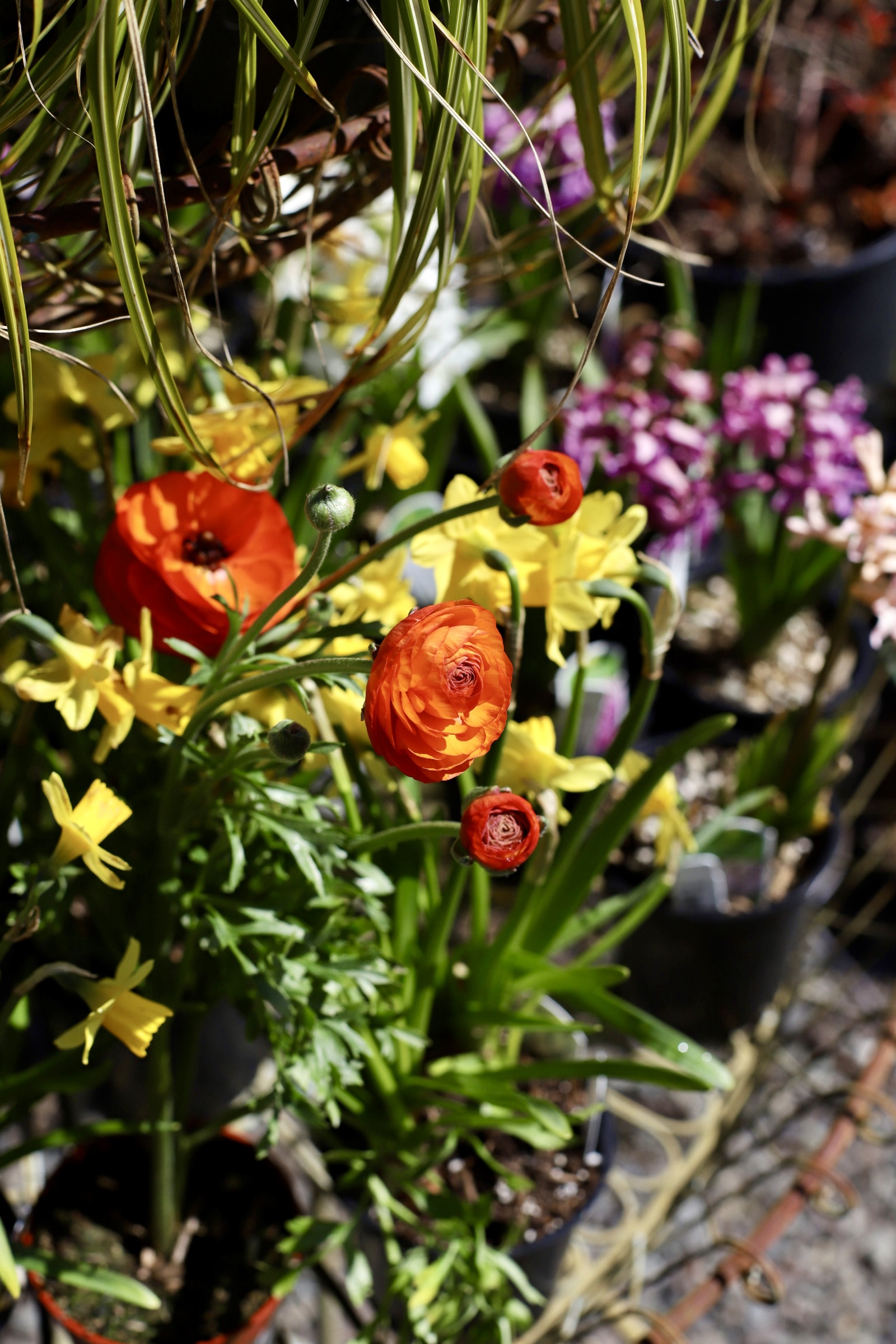
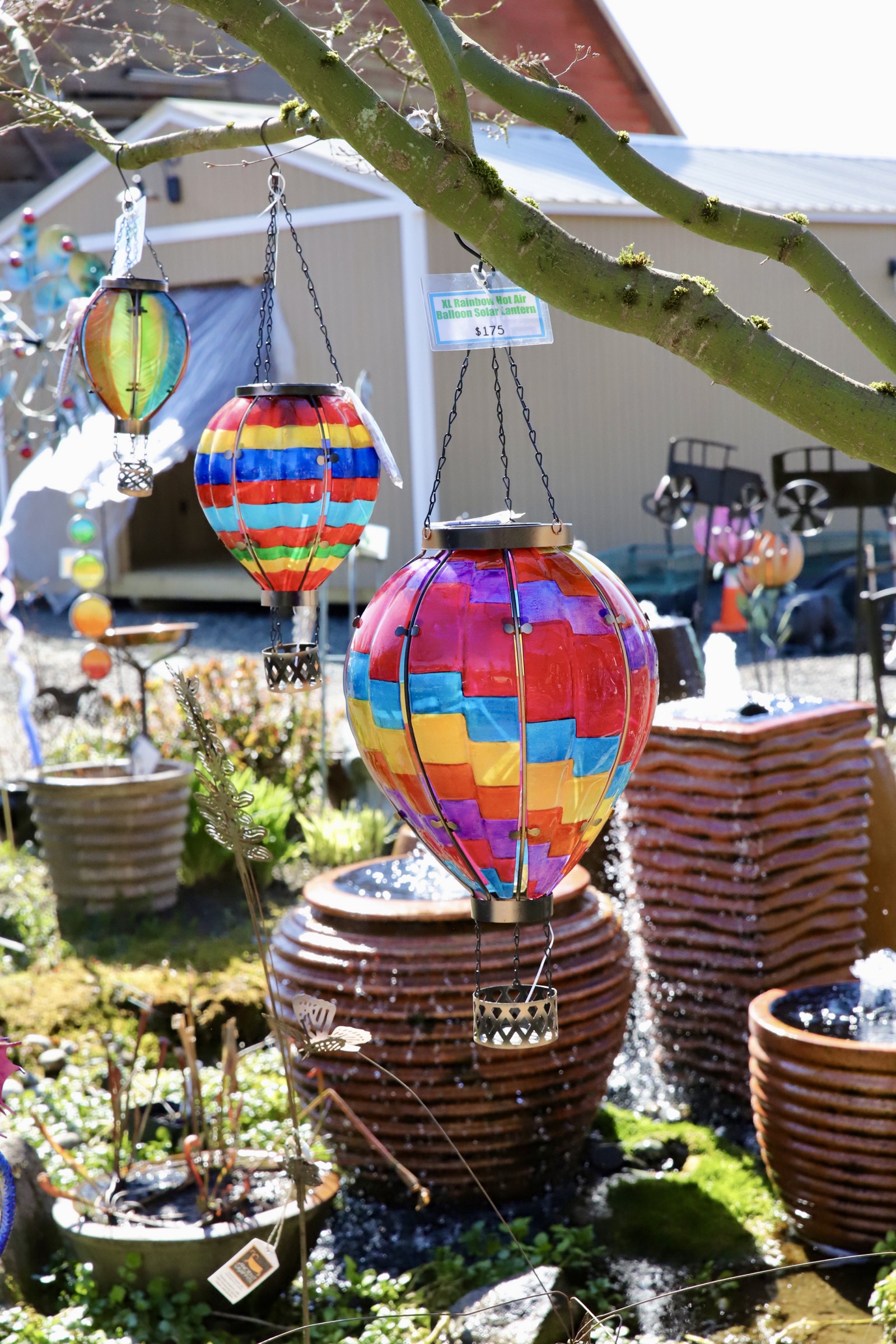
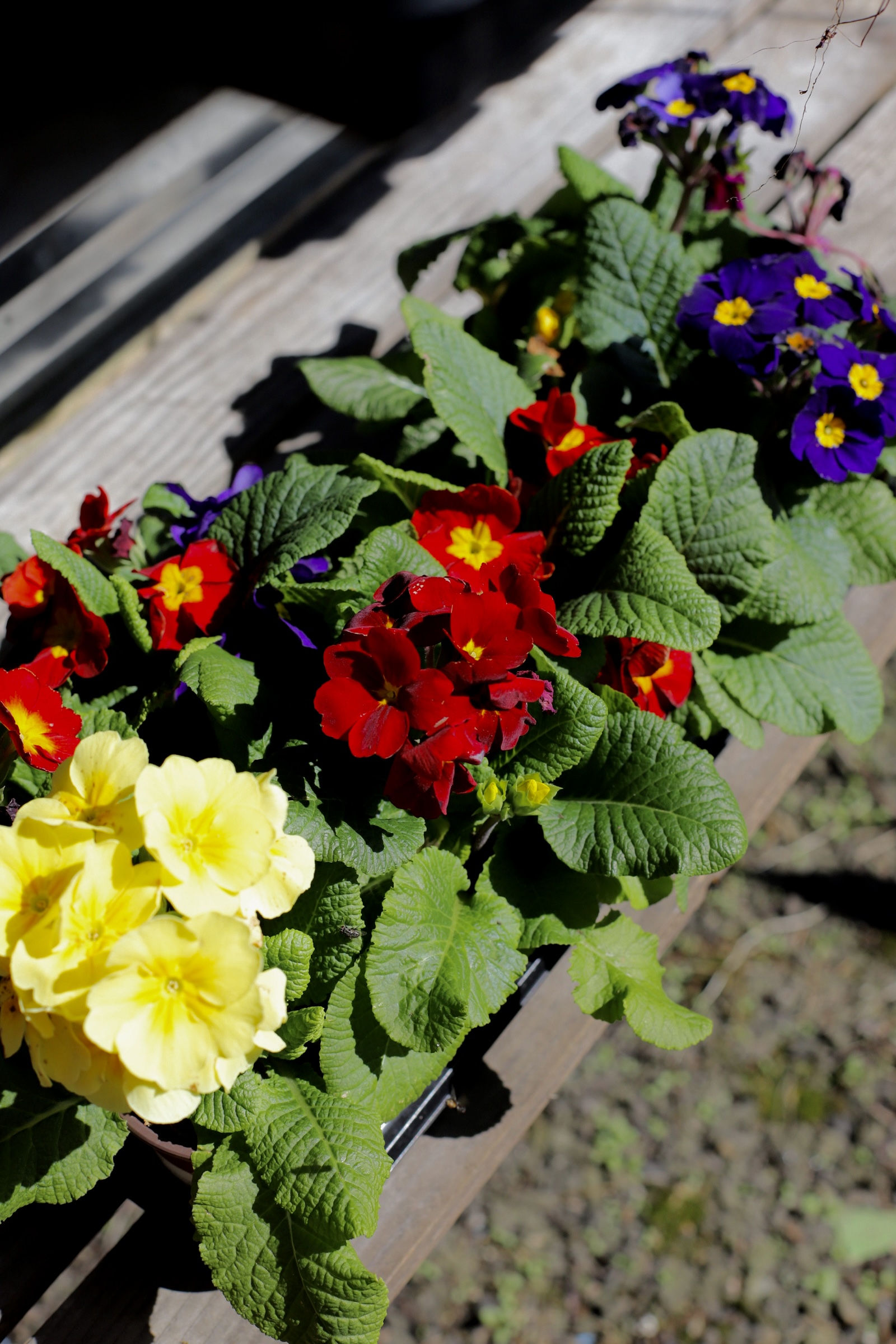
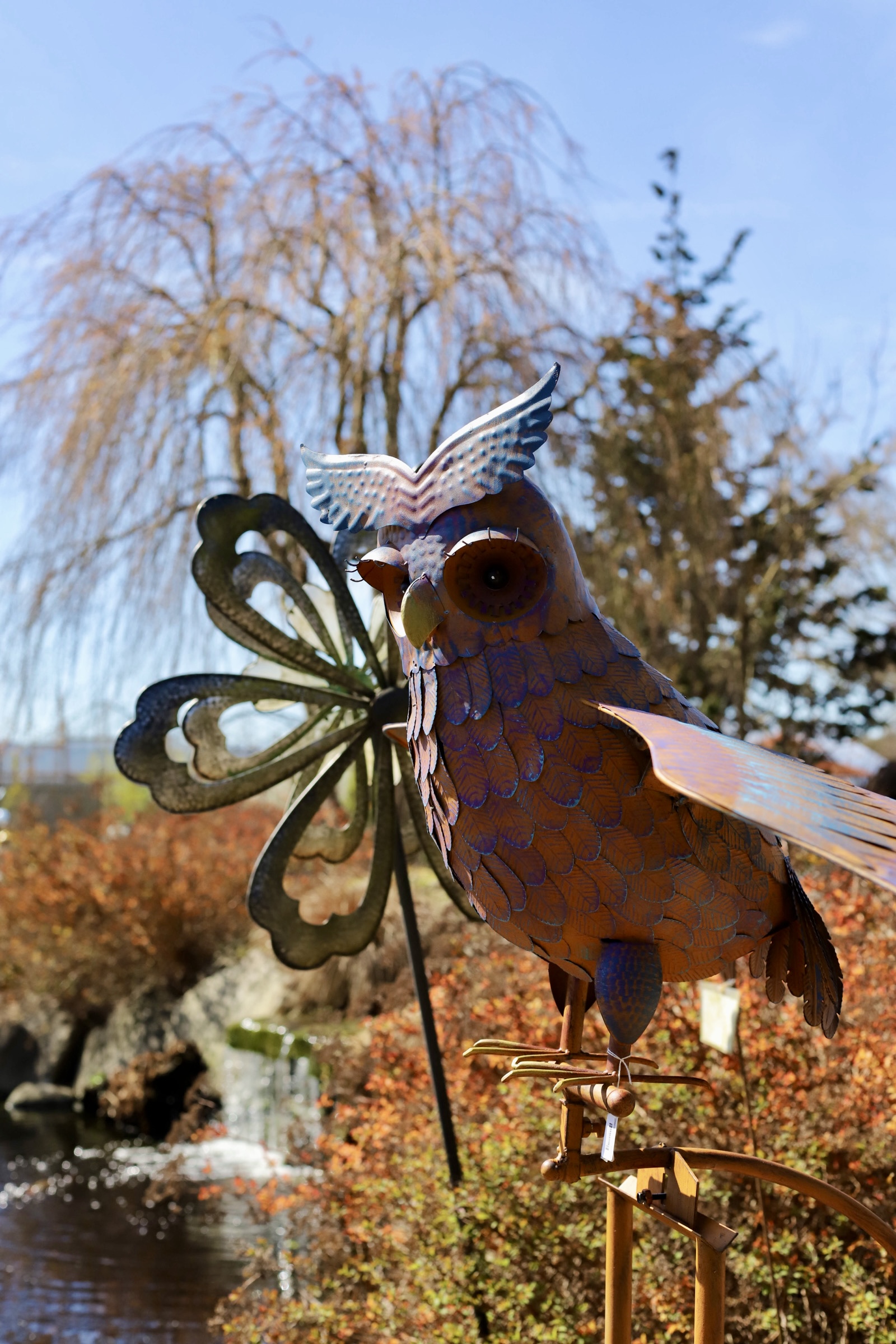
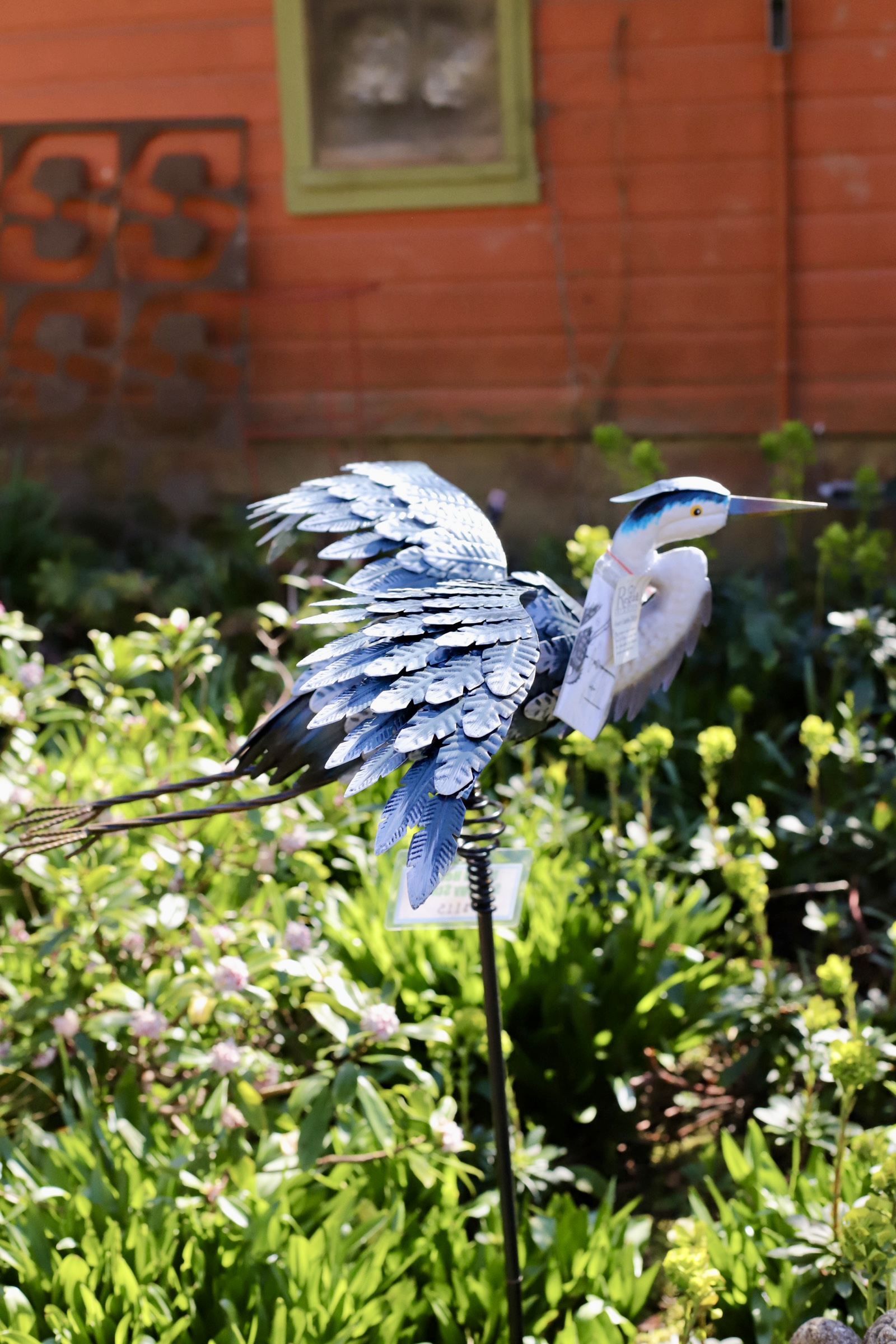
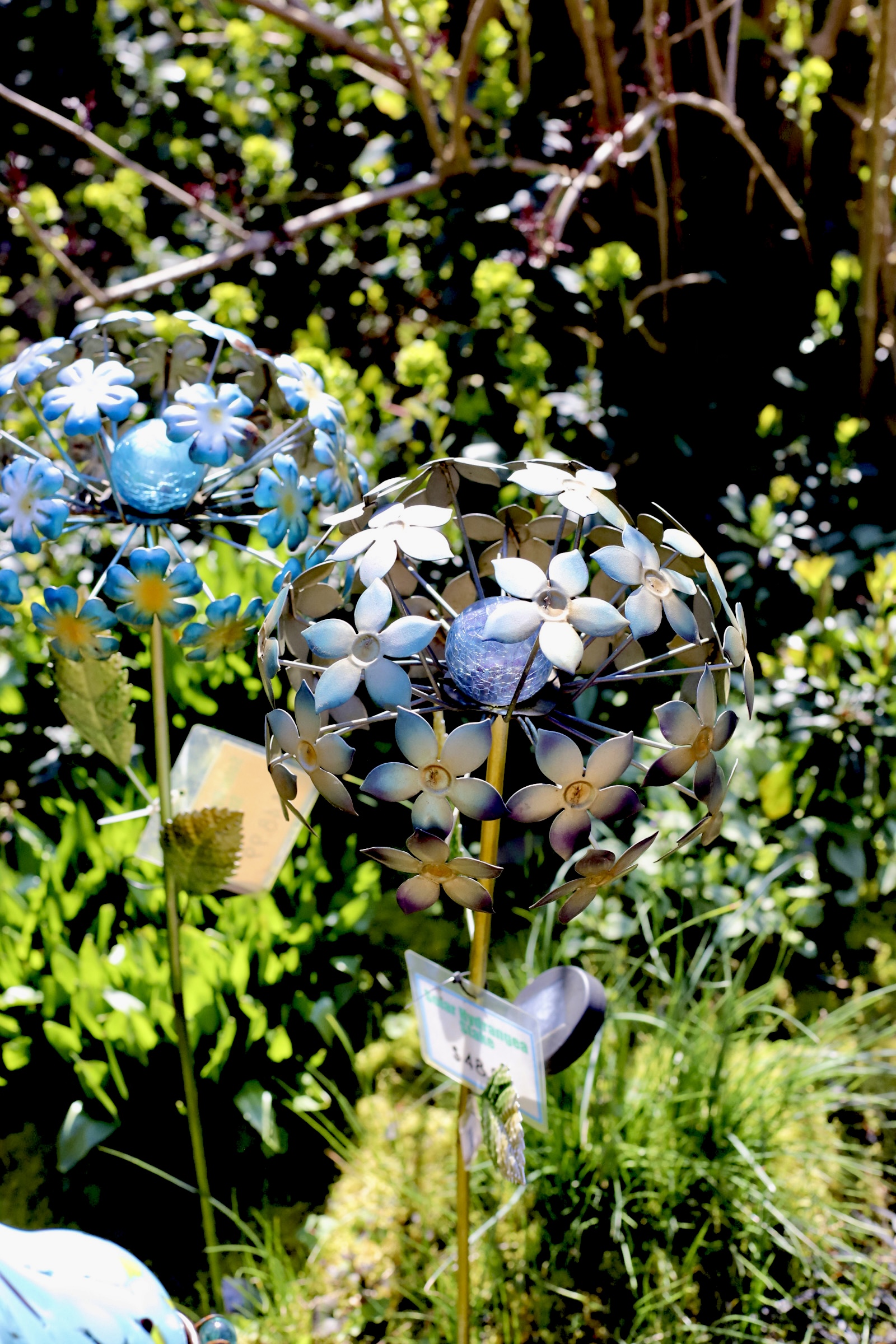
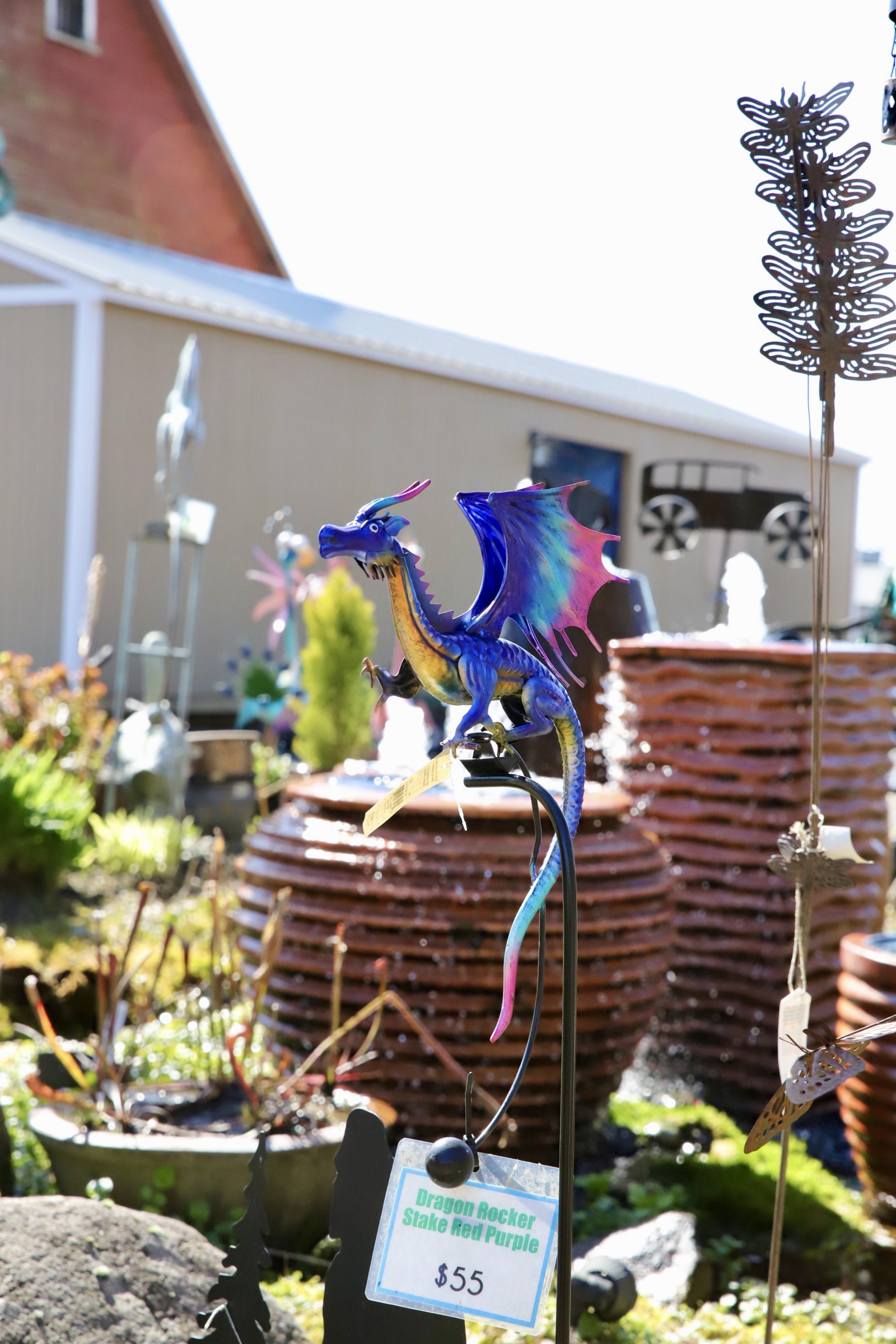
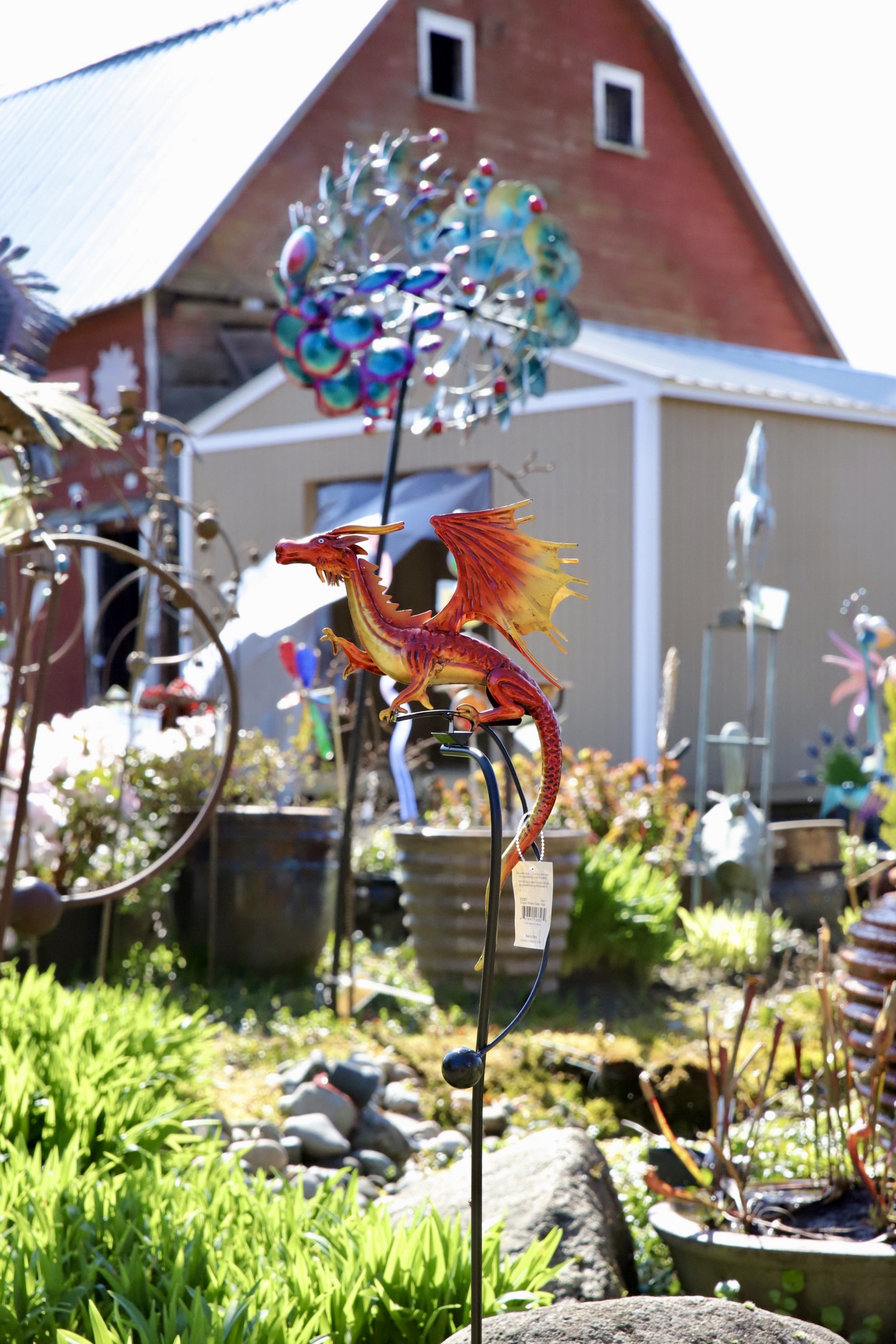
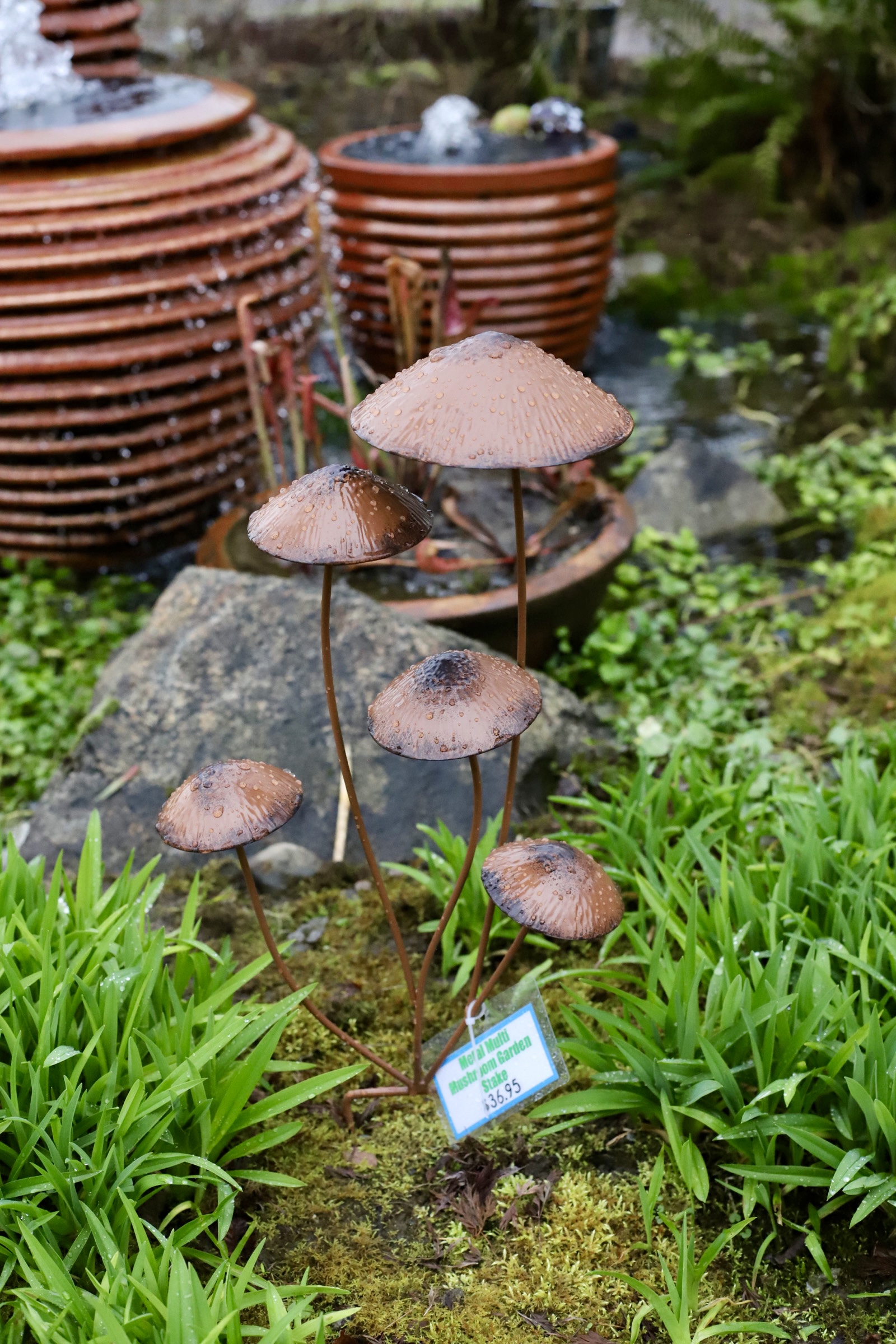
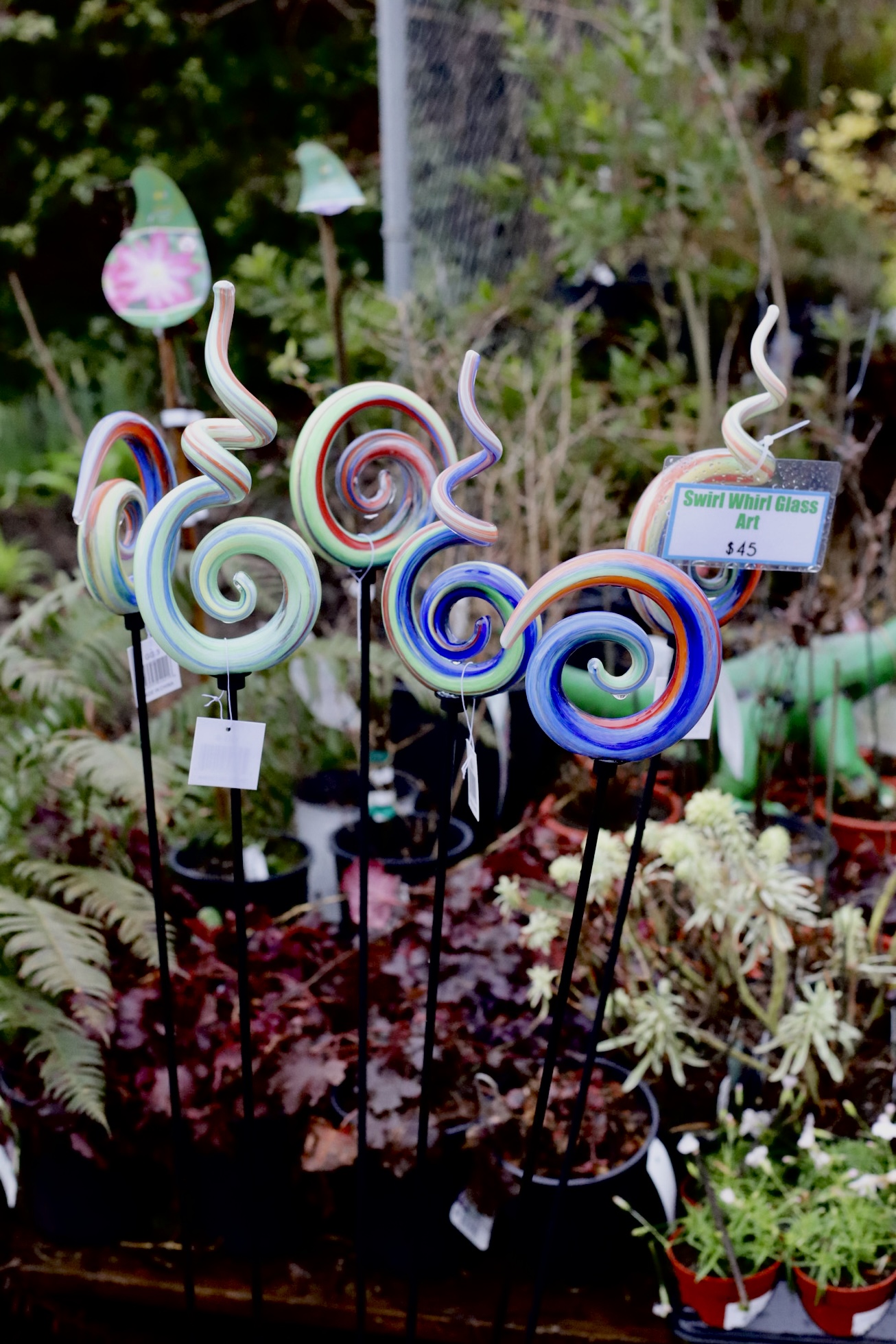
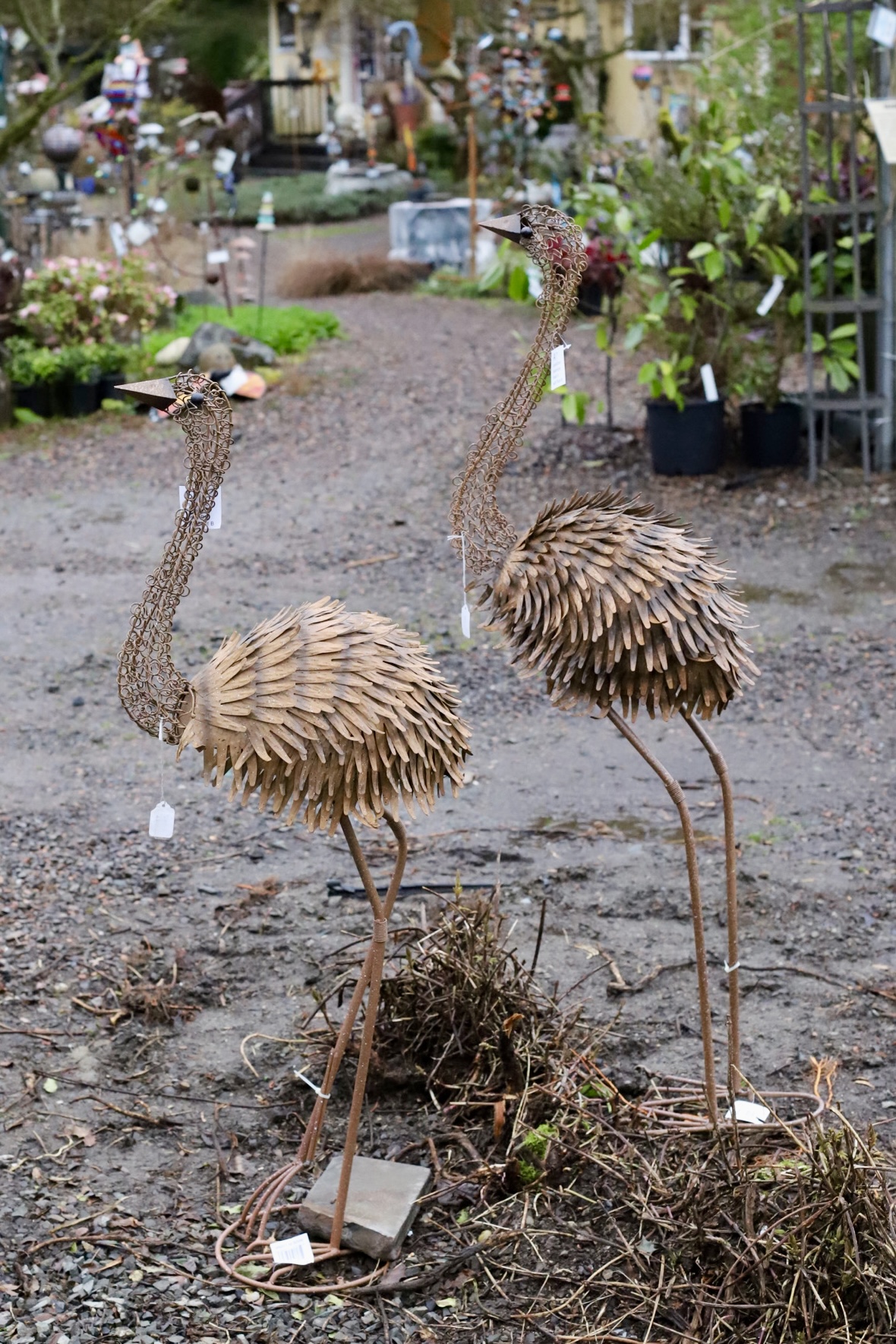
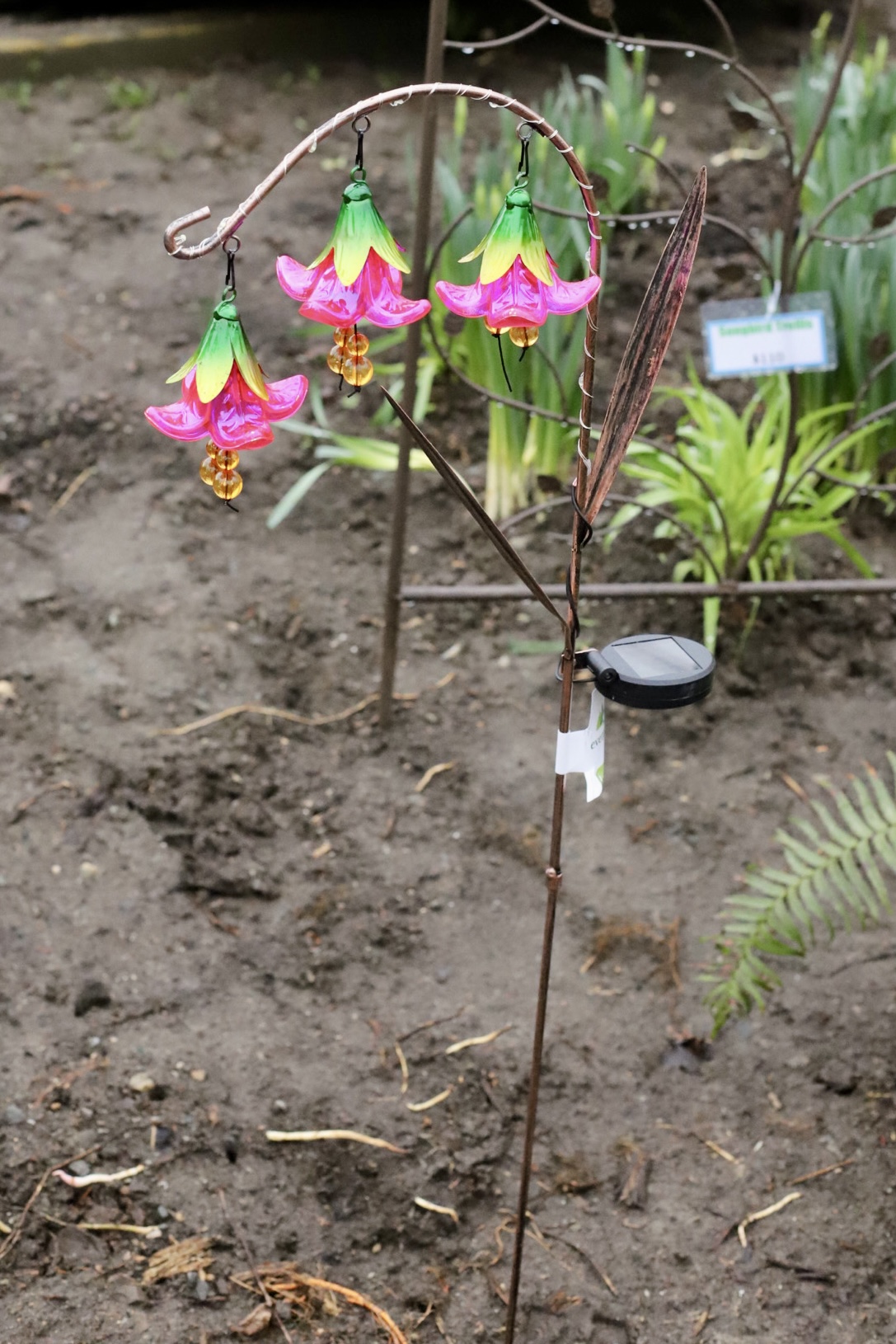
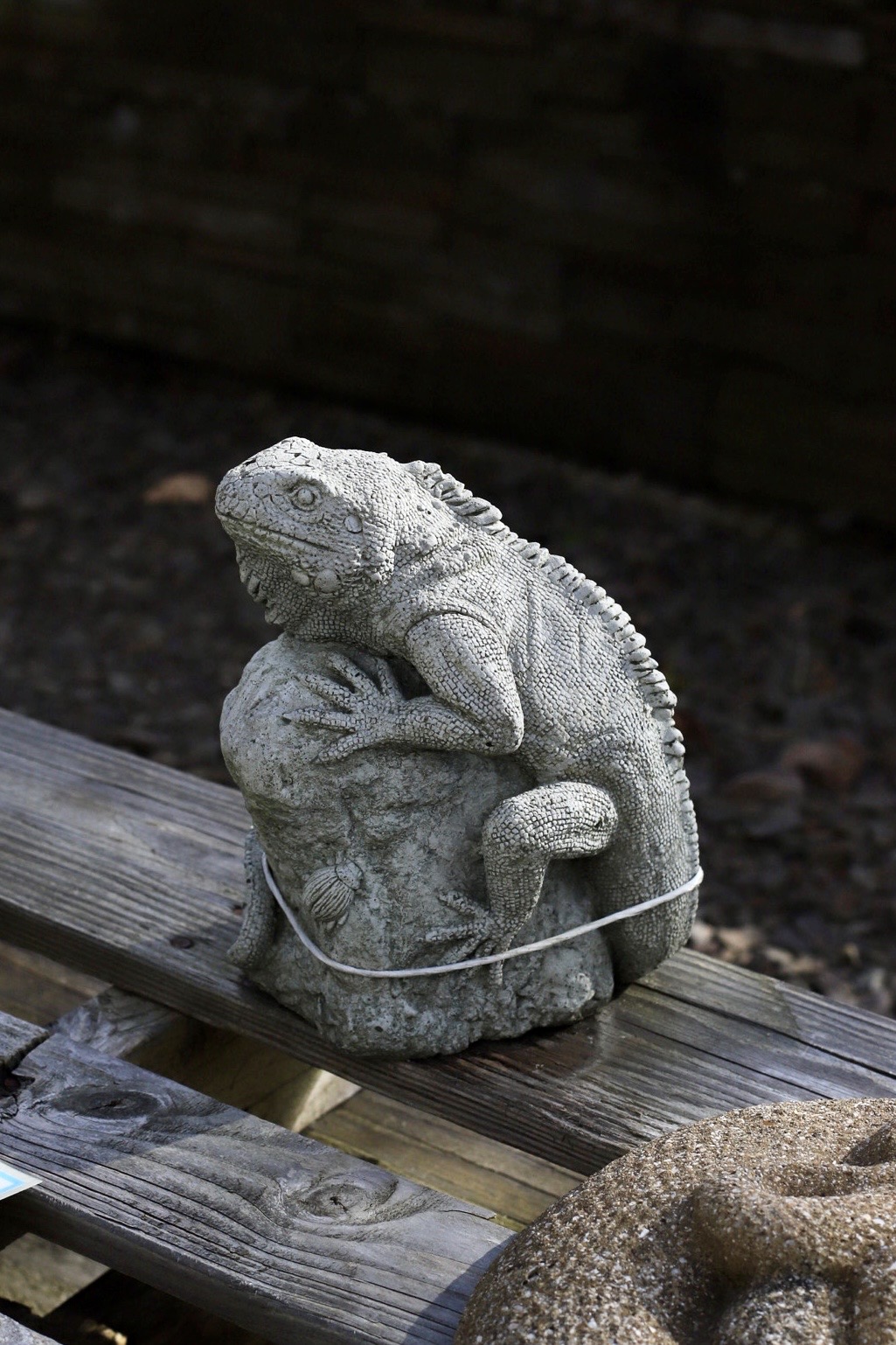
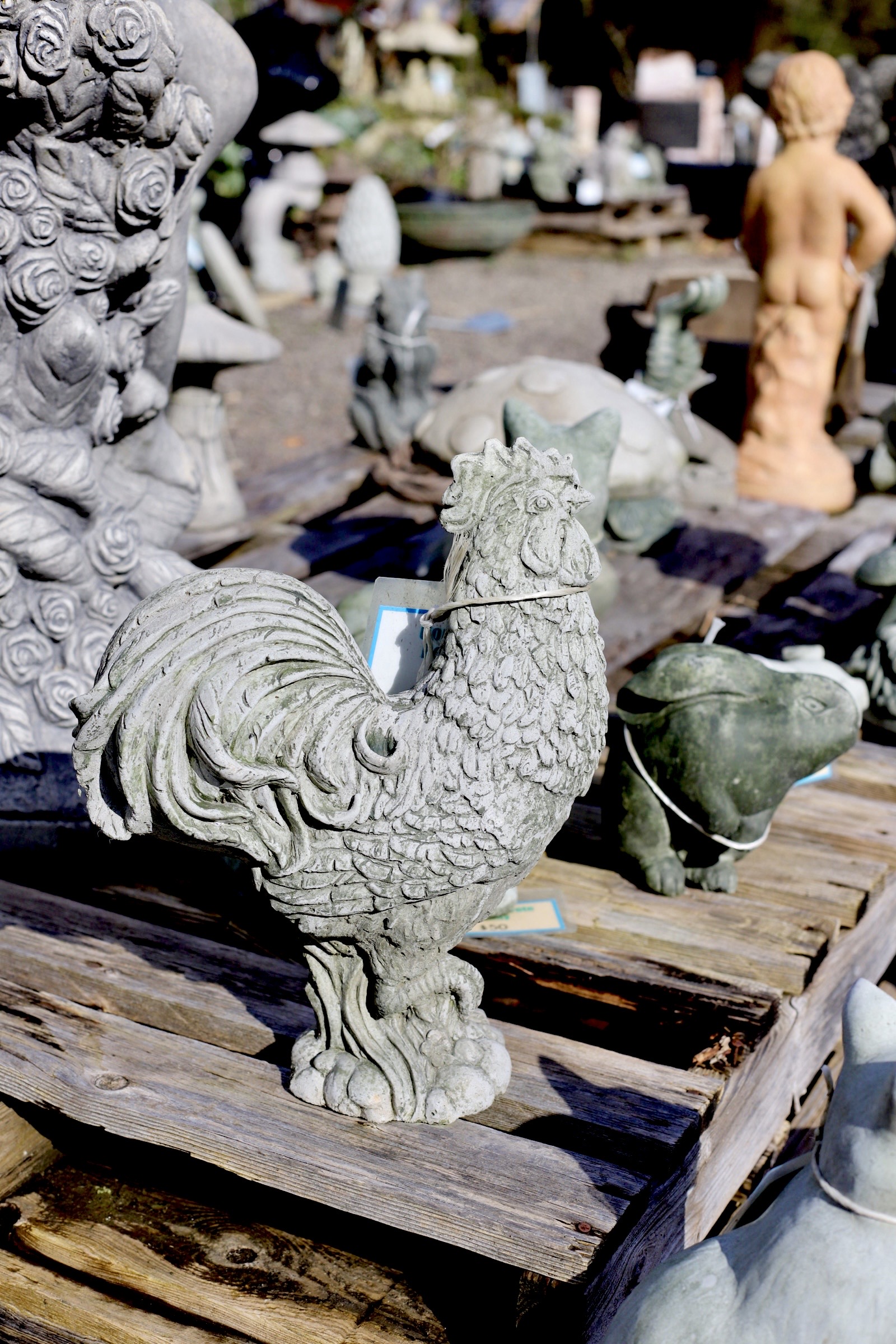
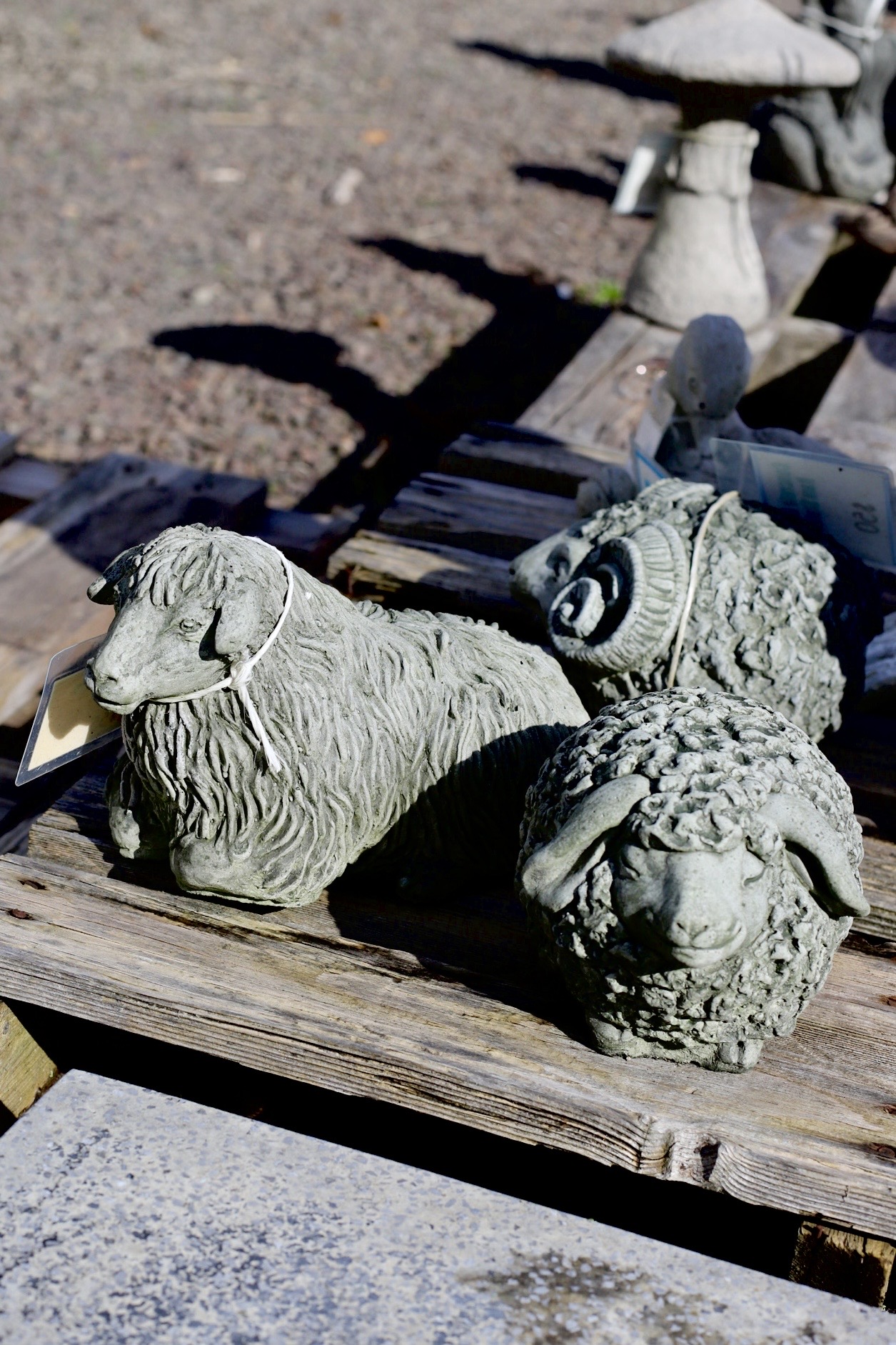
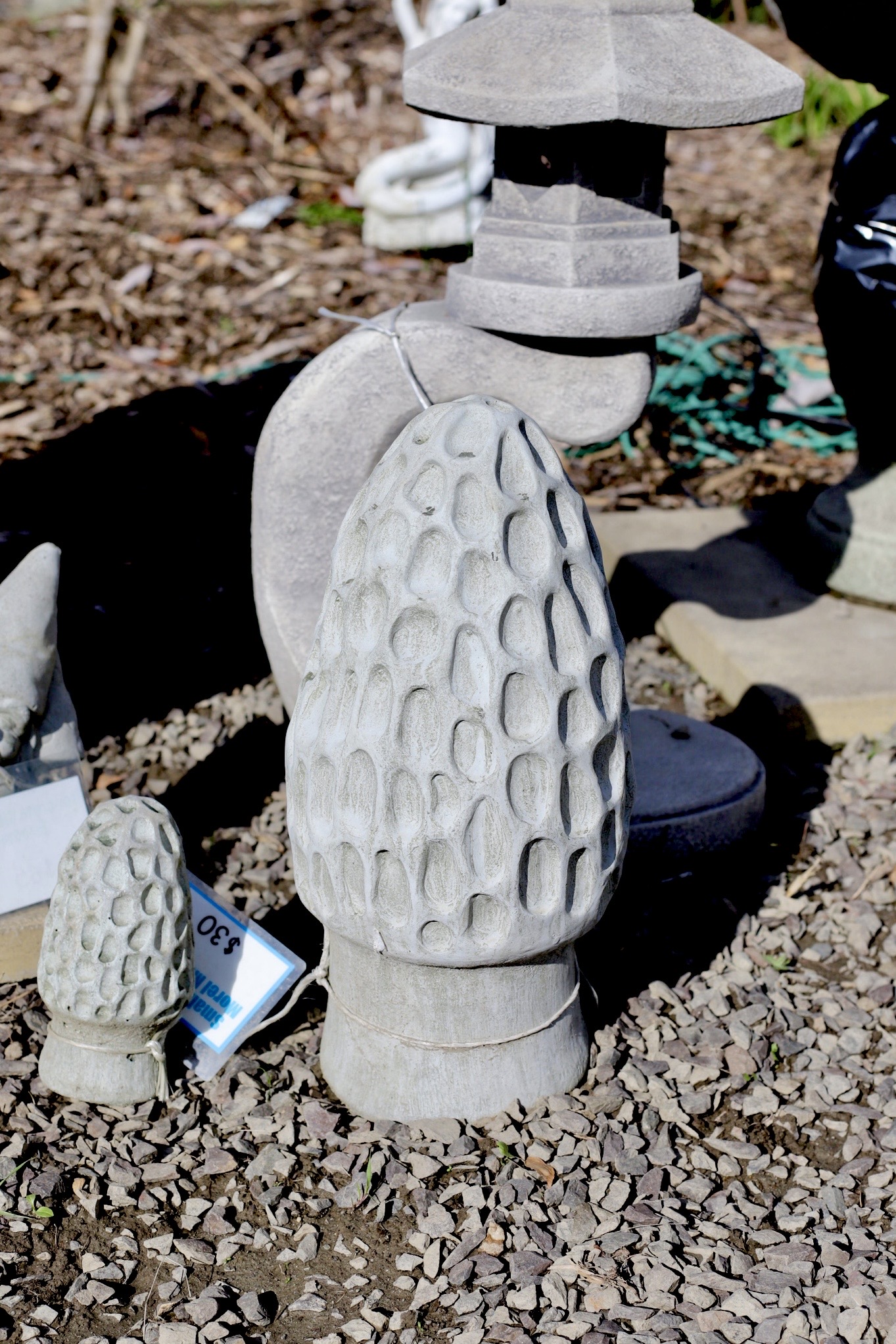
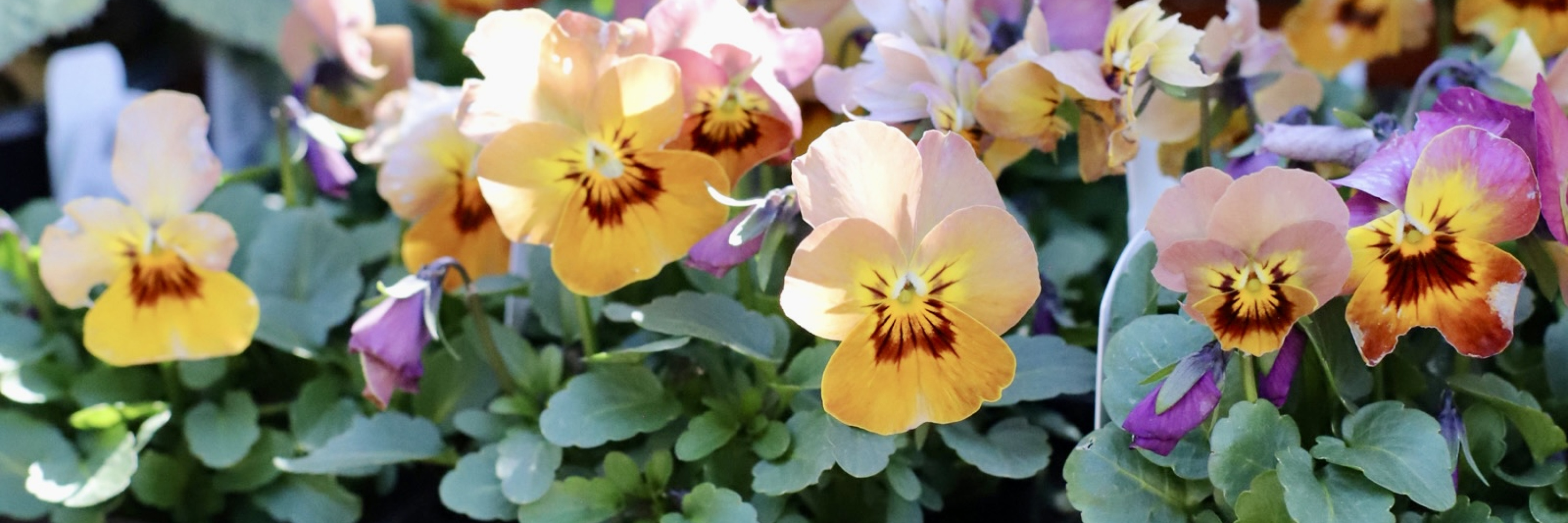
For those who have visited us recently, you may have noticed that we’ve cleaned out our garden beds and introduced an assortment of fresh blooms and exciting new garden art pieces that are perfect for enhancing your patio.
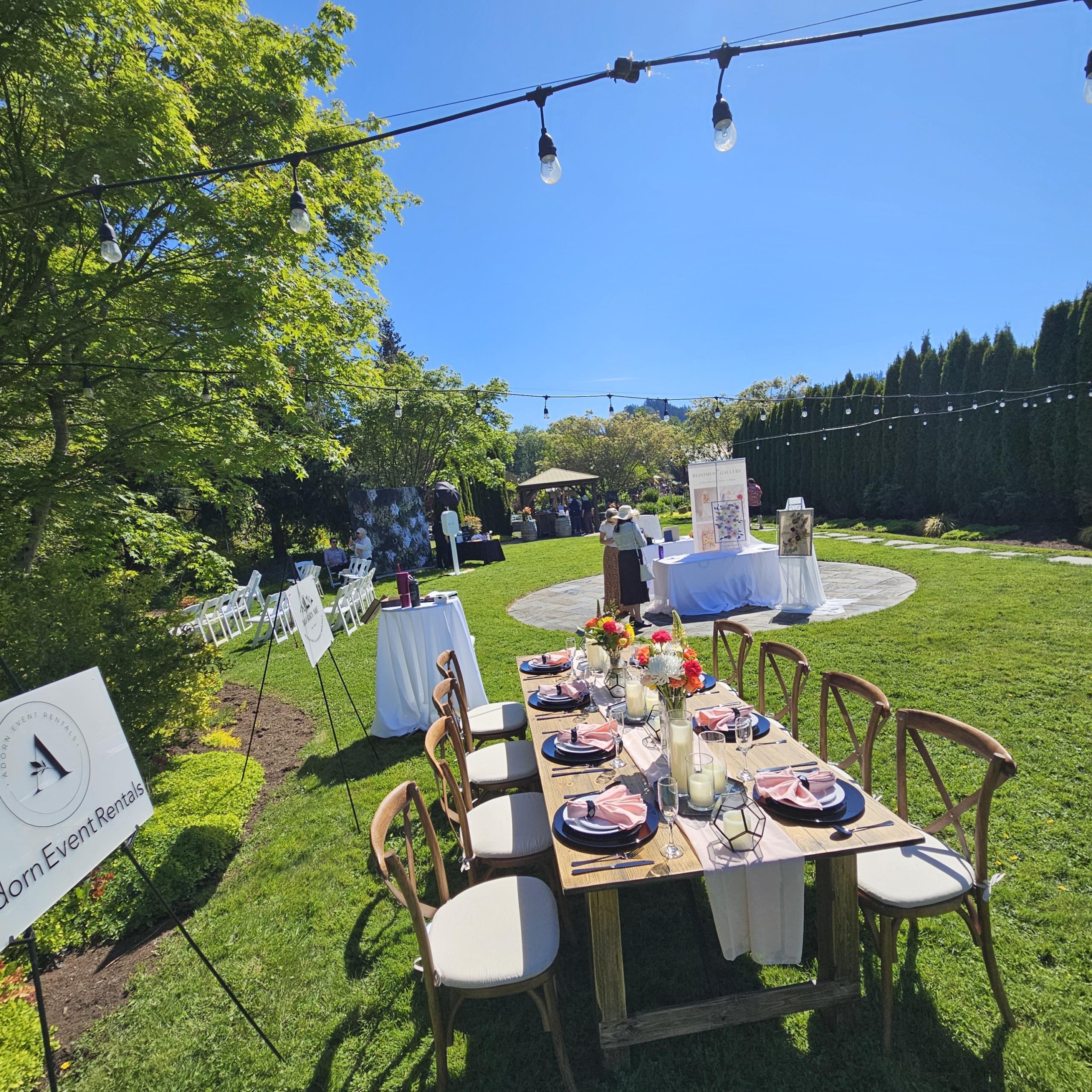
We are gearing up for the most anticipated events of the year: remember to mark your calendars for our Mother’s Day Weekend celebration and our annual Wedding Open House.
In this edition of our newsletter, we will highlight some of our favorite spring flowers, and we will also provide some essential tips for spring cleaning your pond, should you have one.
We are back on our spring and summer schedule at the nursery, which means that we’re now open DAILY from 10 a.m. to 6 p.m.! Take advantage of the longer evening sunlight and visit us after work, or if you need a break for your mid-week lunch hour.
We will be closed for Easter but open still the day before and after!
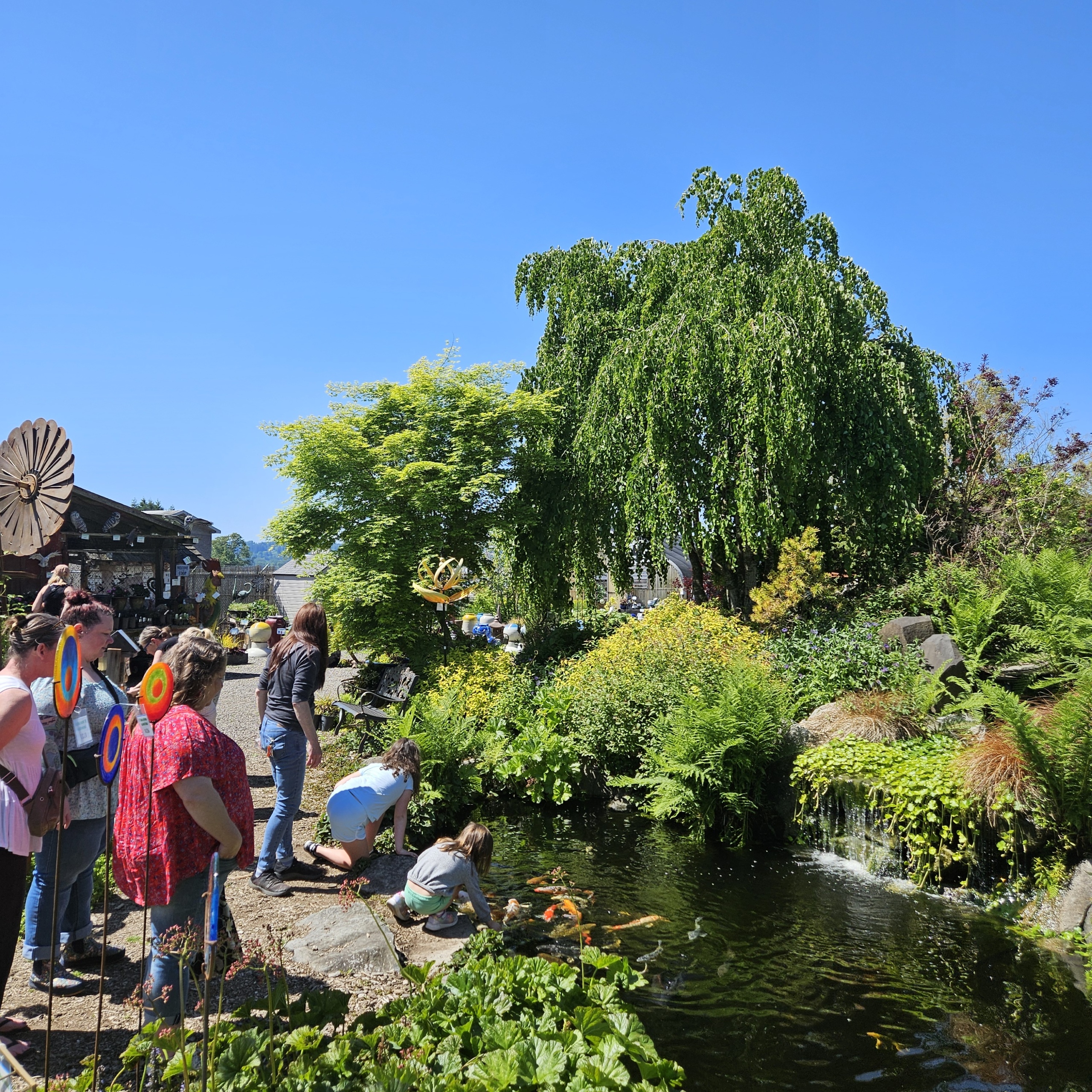
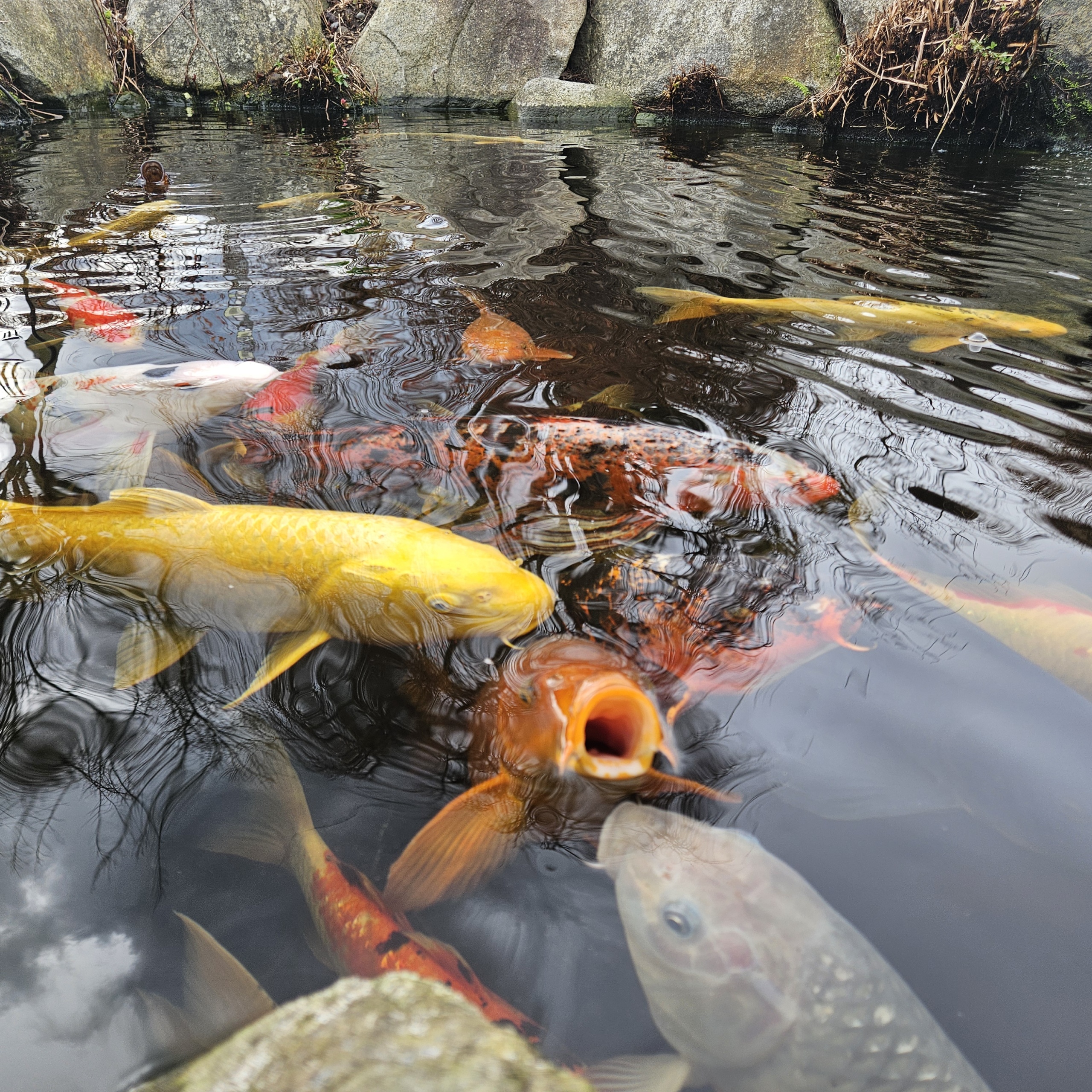
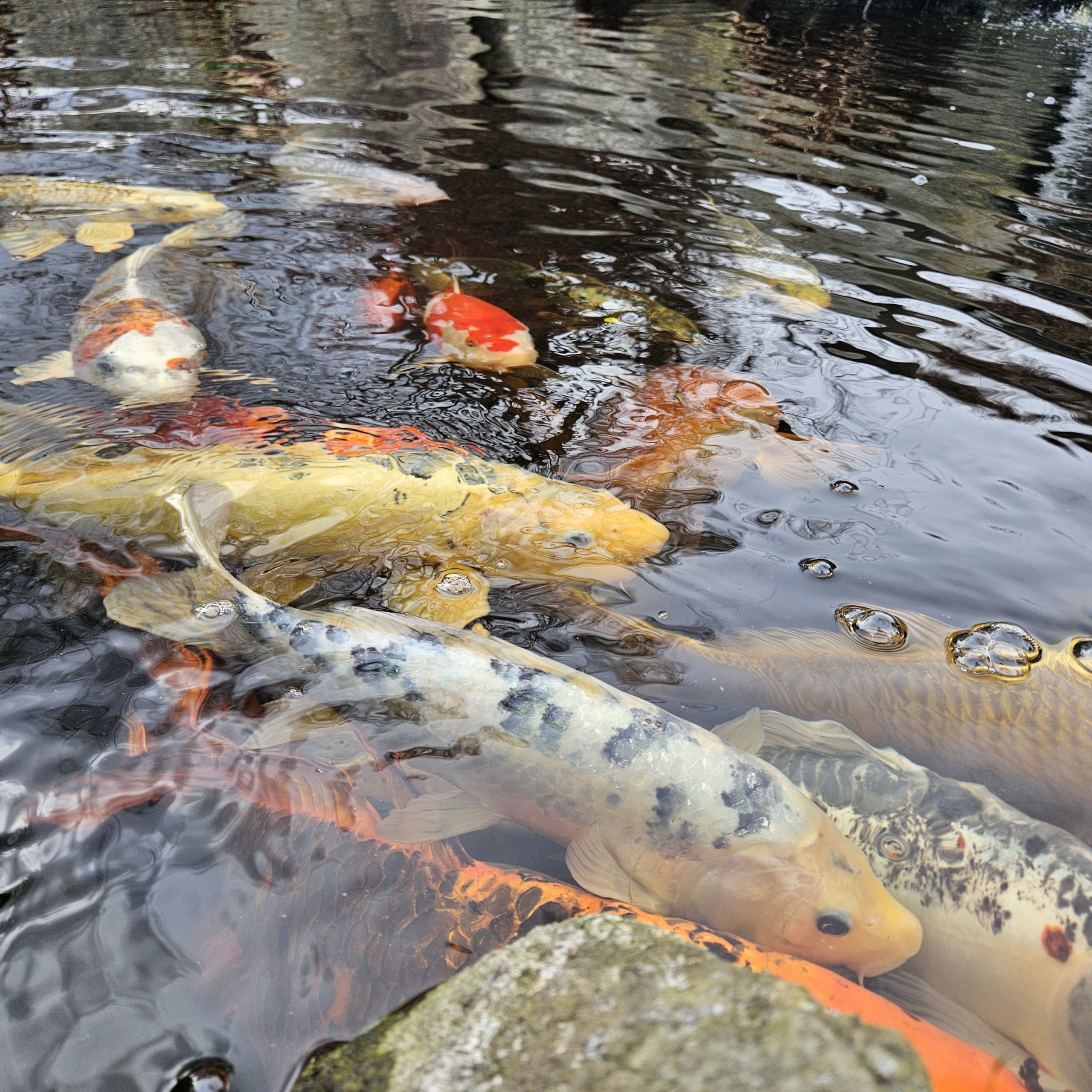
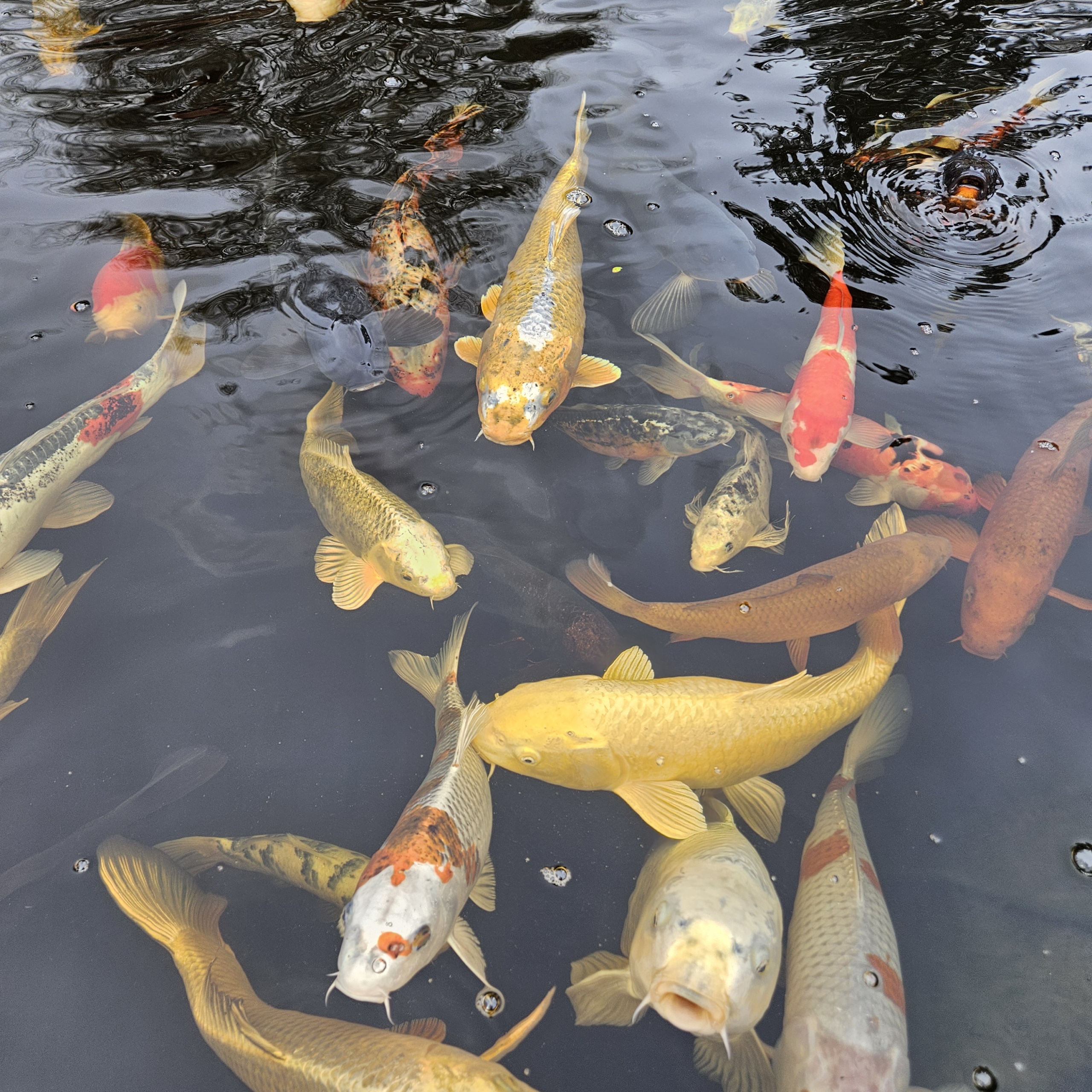
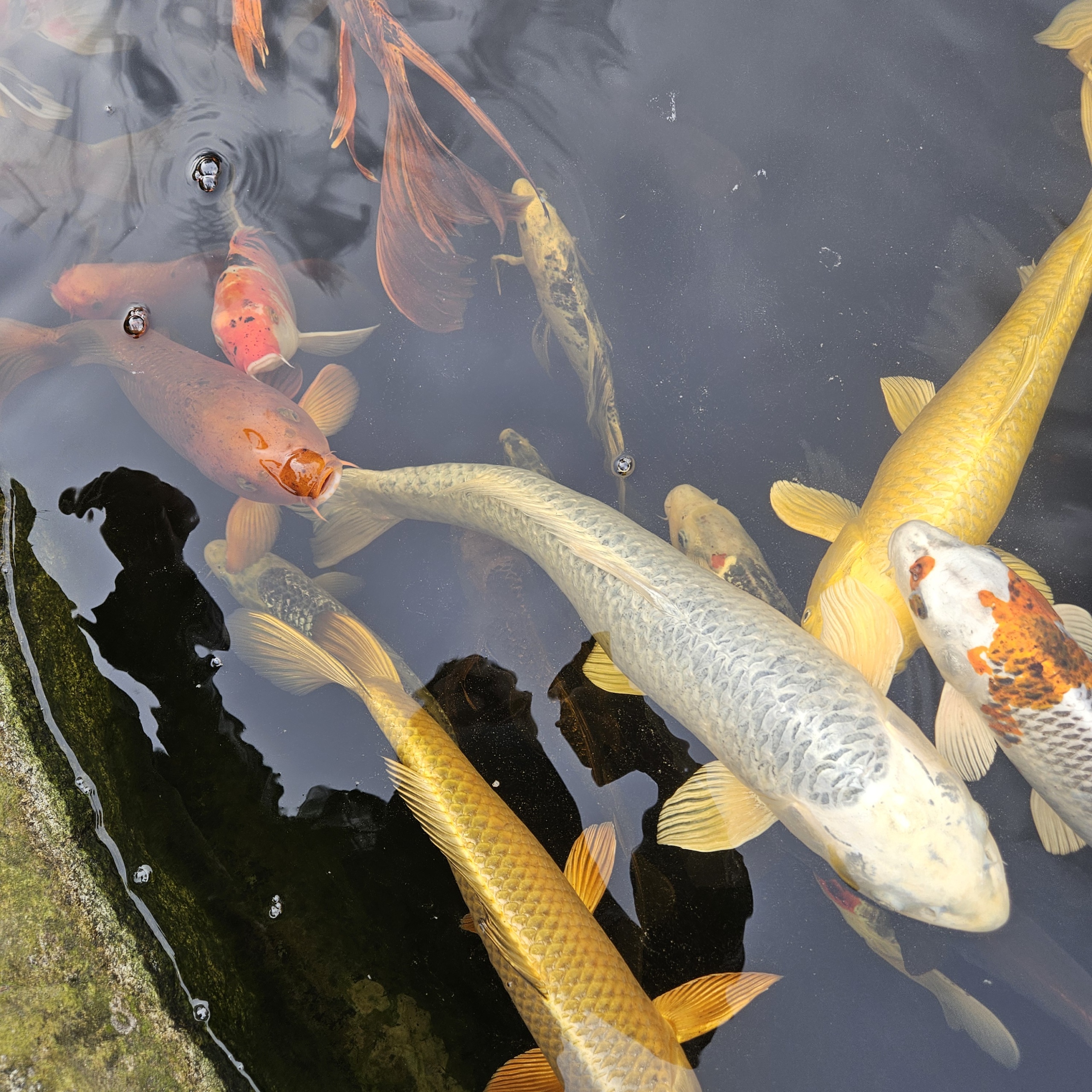
Our fish greenhouse has also reopened now that we’re back to warmer weather. We’ll start getting deliveries of new fish in the next few weeks, but the fish we kept over the winter are ready to go home! We’ve also put out the fish food near the big display ponds, so you can stop by and feed them.
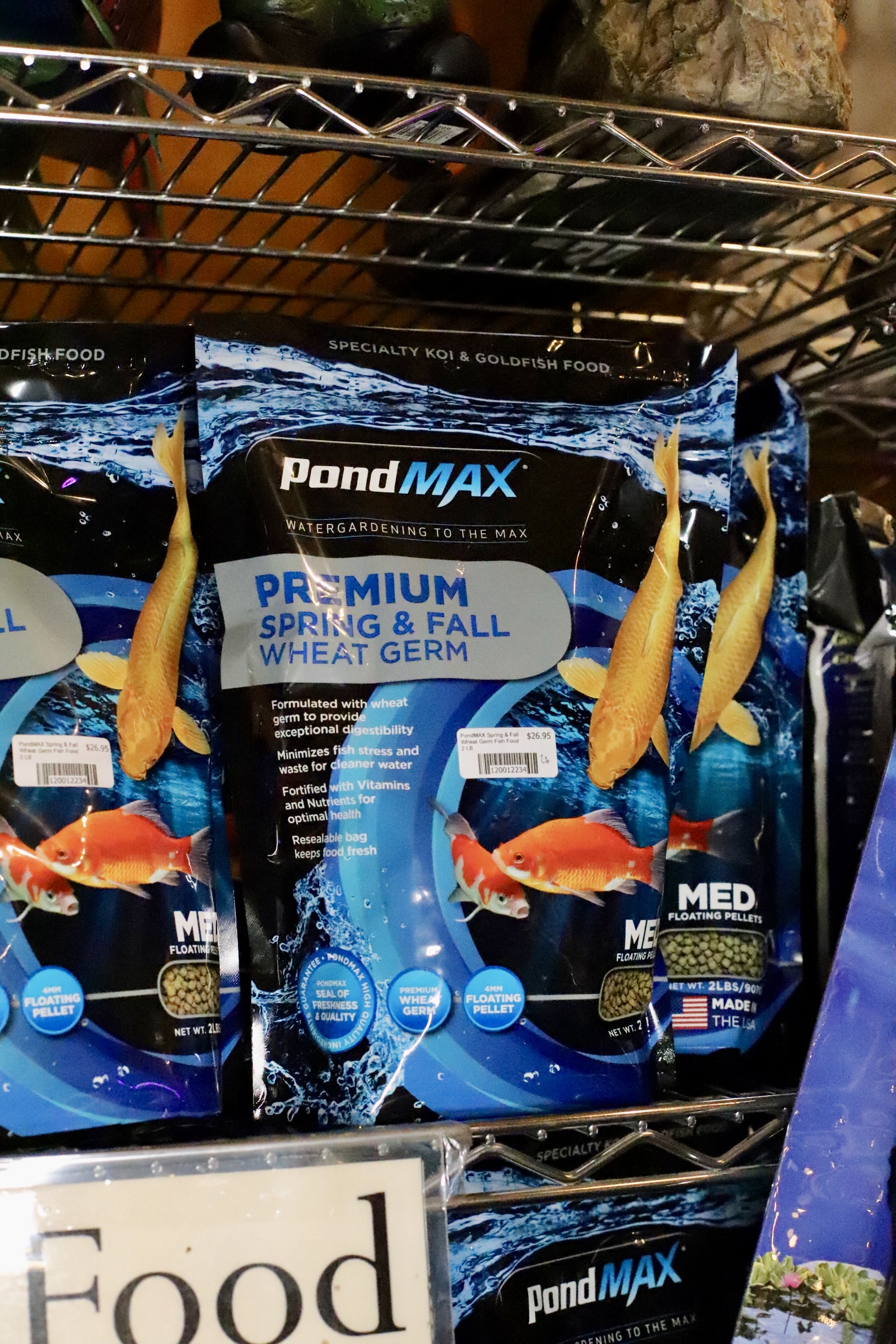
We are also suggesting that fish owners begin feeding their koi and goldfish again, now that the water temperatures have consistently risen above 50 degrees. Koi don’t digest food correctly in colder water and will go into a hibernation-like state throughout the winter, but they’ve become much more active over the last few weeks. If you need spring food, come visit us in the garden center shop!

Can you believe it?! Mother’s Day is next month! Many customers of ours have been returning year after year for our Mother’s Day weekend celebration, which will take place May 8th through the 10th here at the garden center.
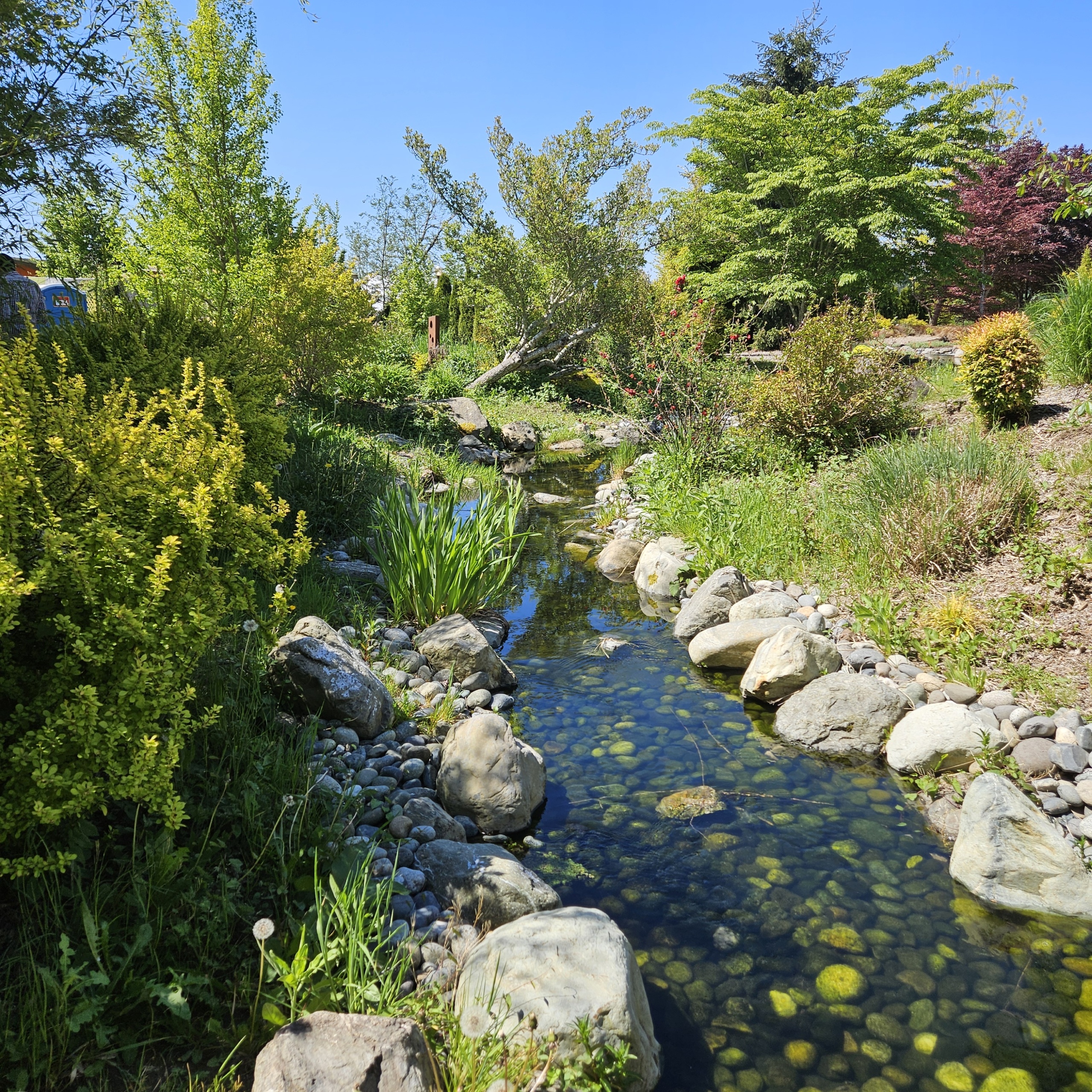
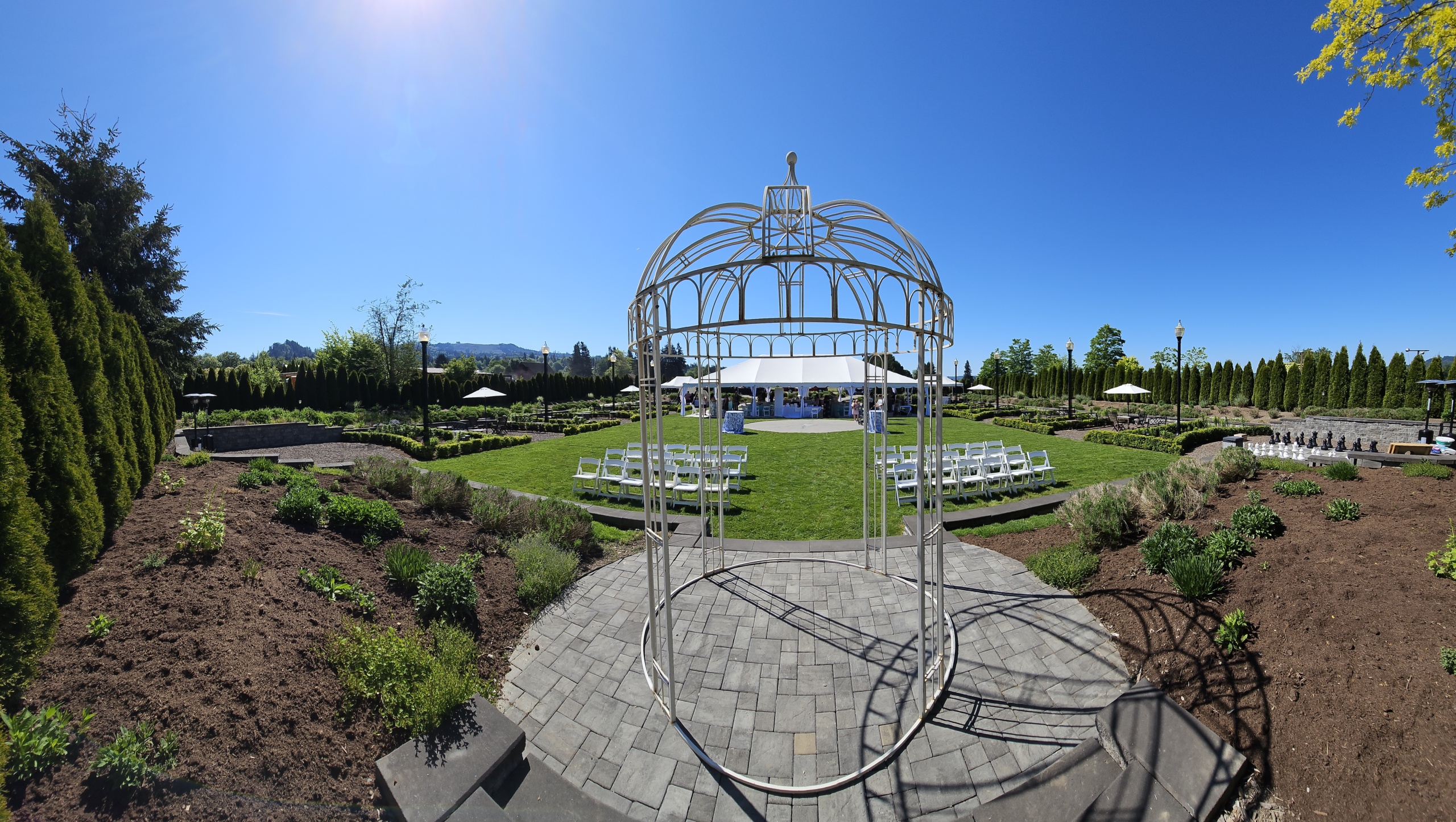
Come bring mom (or grandma) and take a stroll through the stunning gardens and ponds when the garden center looks its finest! The display gardens and ponds stretch out over several acres, including a pair of footbridges, a meandering garden stream, several waterfalls and ponds teeming with koi. We will also have our annual wedding open house on May 9th in the sunken formal garden.
Moms get a free 4-inch flower on Mother’s Day Weekend, and we will have our beautiful hanging baskets ready to bring home!
Check out our wedding website for more information!

One of our most popular breeds of koi is the kohaku, an excellent koi for beginner pond enthusiasts.
The kohaku is easily recognized by the white skin and red markings – the more balanced markings the better! Red markings across the body are called ‘Hi’ and the radiant white is called ‘Shiroji. These koi should have a thicker section between the body and the tail, known as the caudal peduncle, and a broad upper body.
There are several variations of Kohaku, including the doitsu (partially scaleless) Gin Rin, Maruten and Tancho Kohaku.
1. Here’s the number to remember when it comes to your Koi pond in spring: 50.
Koi don’t mind the cold water – in fact, they thrive in temperatures between 59-77 degrees. But their metabolism reacts to the temperature of the water they live in, and because they don’t have stomach acids they use enzymes to digest food. Koi don’t create those enzymes in water temperatures below 50 degrees.
At 50 degrees, you’ll want to start feeding your fish their cold-water foods. We have an excellent selection of quality fish foods at our gift shop at the nursery.
2. pH Balance & Your Pond
You will want to check the pond’s pH level as part of your pond maintenance. Koi love pH balances between 7 and 8.4.
To test the chemistry of your pond you will want to test for 1. ammonia, 2. pH, 3. water hardness.
Stop by our Nursery and gift shop to purchase your Wide Range pH Test Kit.
3. Healthy bacteria
Around this time of year, we also see an increase of green algae forming in our ponds. This is a normal occurrence, however, we do want to focus on healthy pond environments, and you will want to promote healthy bacteria in your pond.

Looking for a standout addition to your garden?
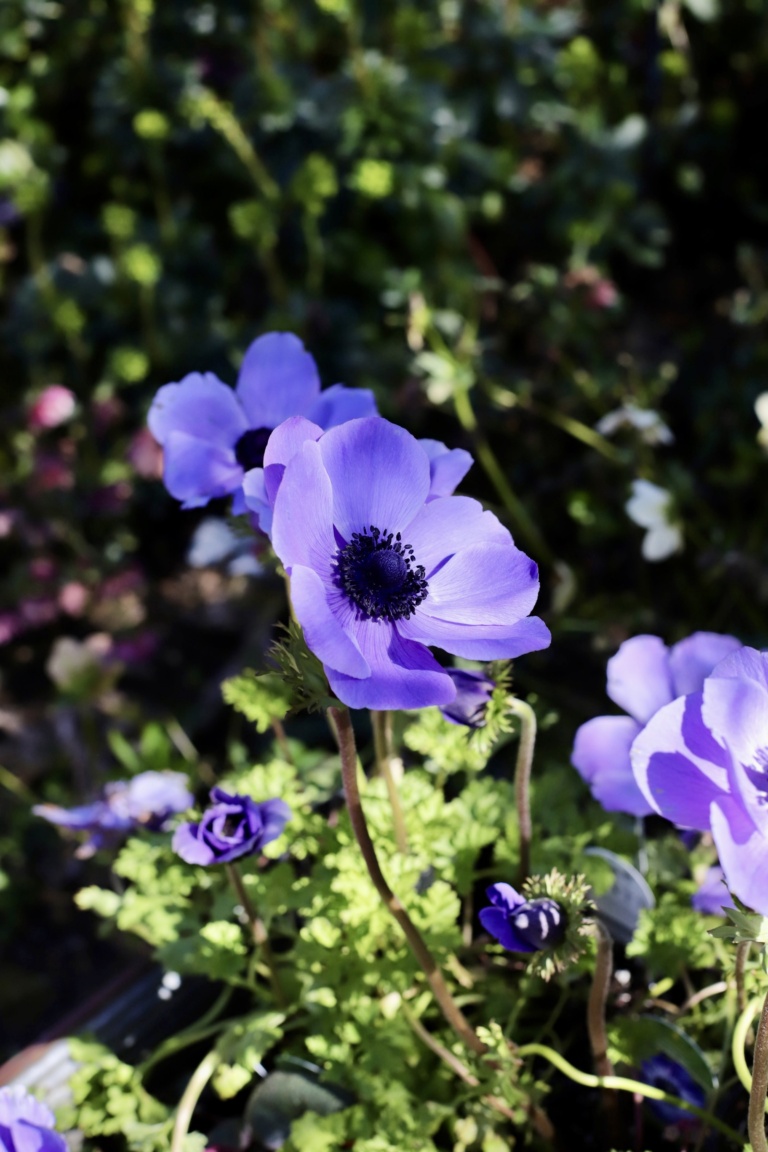
The Marianne Blue Windflower offers vibrant violet buttercup flowers with blue overtones and distinctive black eyes from mid-spring to mid-summer.
This perennial is a show in itself with fine-textured, ferny leaves that stay green all season.
In full sun to partial shade and average to moist soil conditions, it thrives without much fuss.
Easy to care for, this plant cleans up in early spring and supports local wildlife like bees and butterflies.
Expect a robust life of about 10 years under ideal conditions.
Whether in the garden or in containers, the Marianne Blue Windflower complements other plants beautifully, making it perfect for mass planting or just adding a touch of nature’s magic to your space.
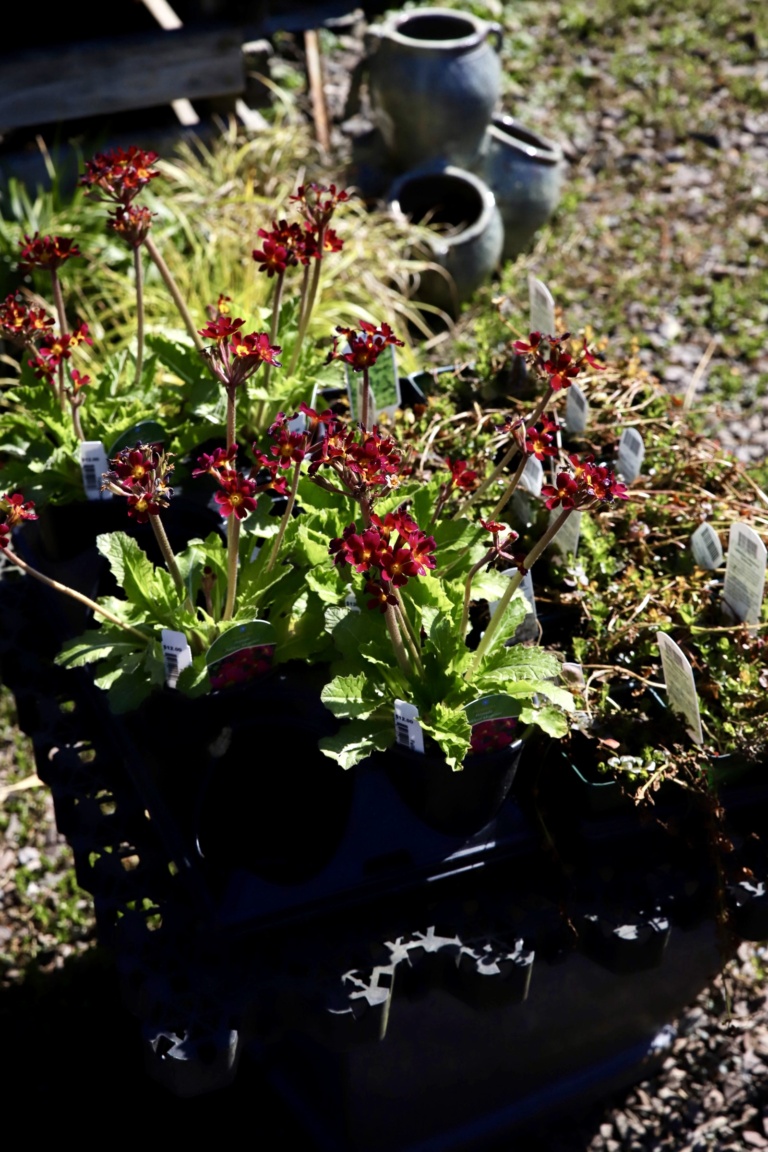
Watch them pop with magenta flowers & green, oakleaf-shaped leaves. Perfect for containers or beds.
Yellow blooms with red edges make a bold statement. Hardy and perfect for all early garden scenes.
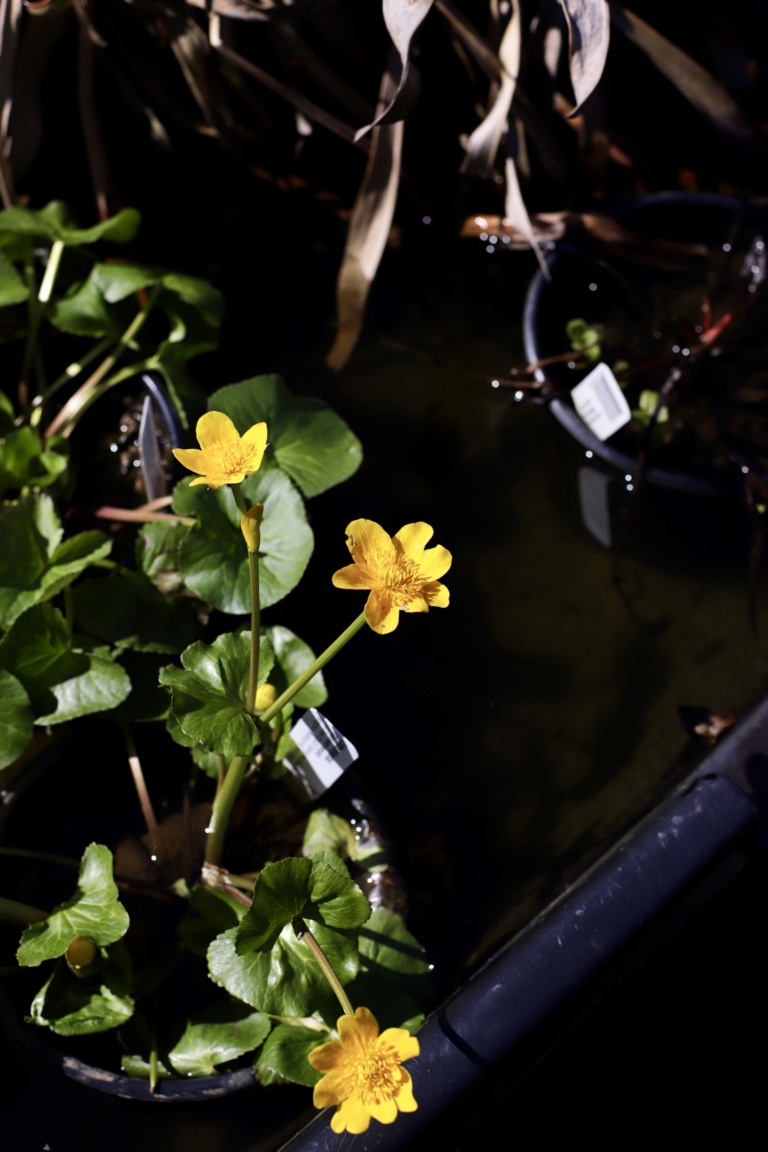
Caltha palustris, commonly known as Marsh Marigold or Kingcup, is a vibrant, herbaceous perennial that thrives in wetlands, marshes, and along streams and ponds. Native to temperate regions of the Northern Hemisphere, this plant is loved for its early spring yellow blooms and glossy green leaves, making it a popular choice for water and bog garden settings.
Marsh Marigold is one of spring’s earliest bloomers. Its bright yellow flowers, measuring 1–2 inches across, attract pollinators like bees and butterflies. The blooms, composed of 5 to 9 petal-like sepals, appear from mid-spring to early summer, often creating a golden carpet in saturated soils.
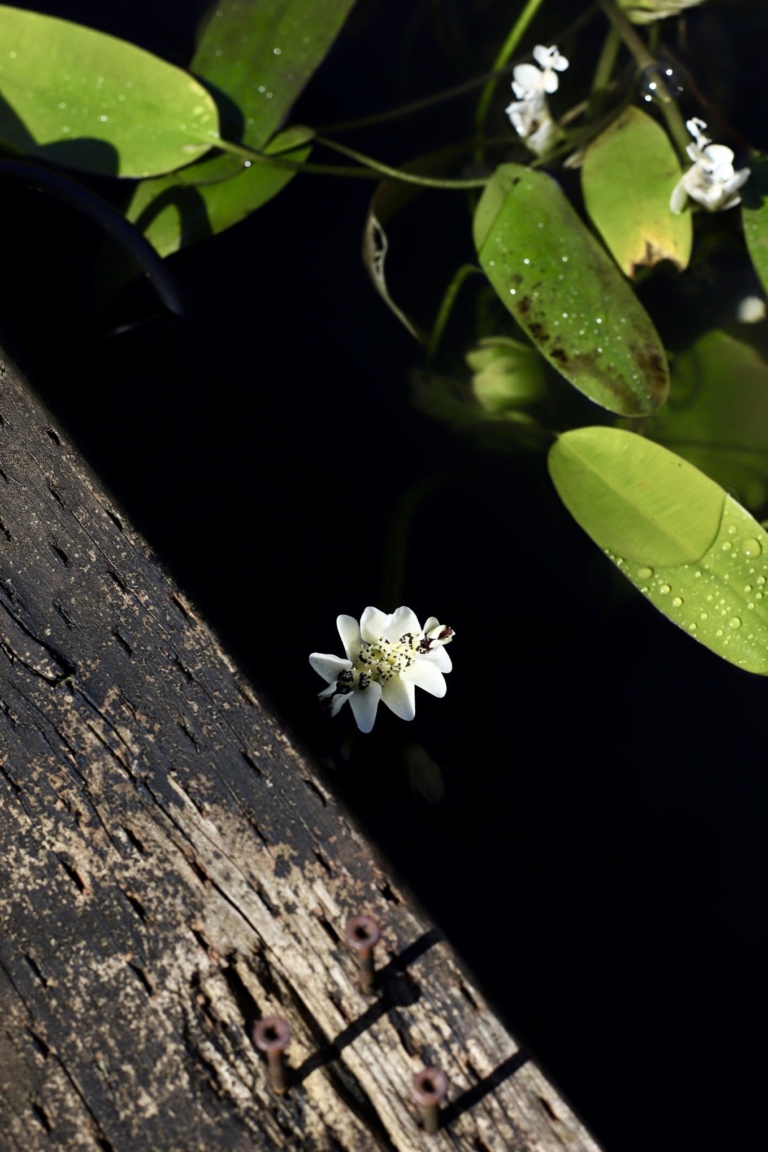
Aponogeton Distachyos
Partial shade to full sun; lily-like aquatic
The real value in the water hawthorn is its growth cycle. The plan thrives in cool weather and goes completely dormant in the hot summer months. Water hawthorn will show off its small, white vanilla-scented flowers in late winter or early spring, take a rest during summer and then pick up where it left off in the fall and bloom until the pond freezes over. It is a great companion for water lilies since they perform best during warm weather.

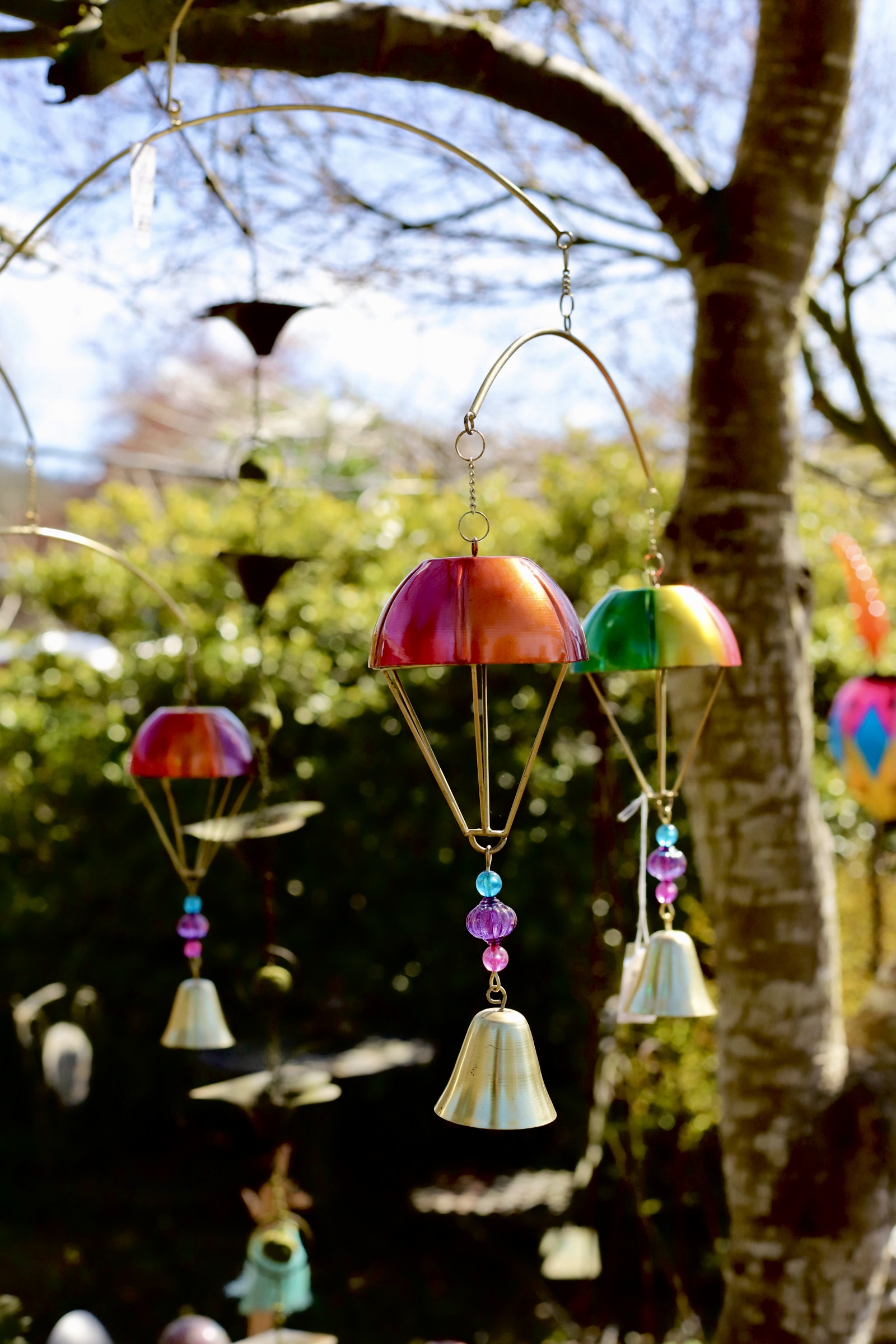
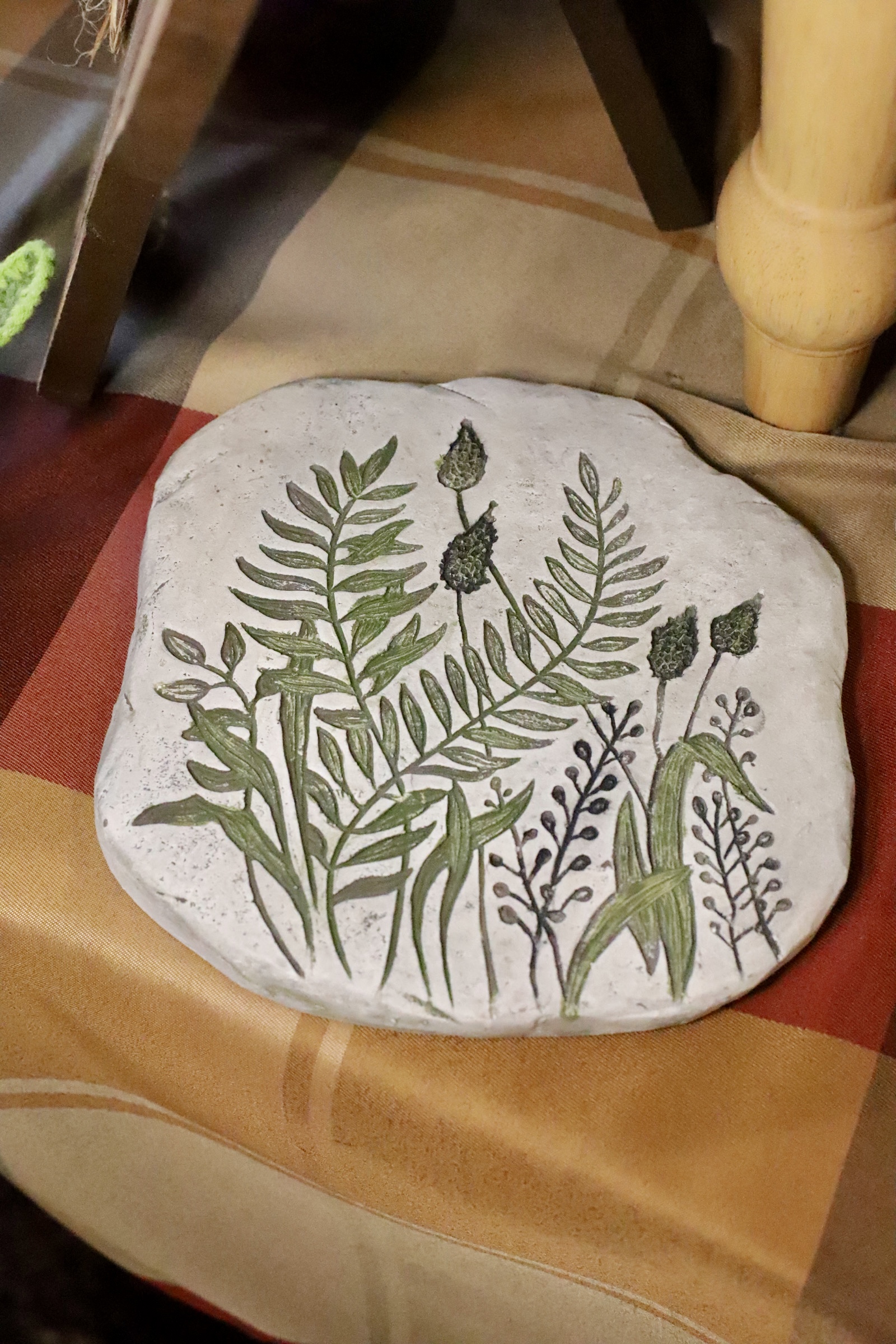
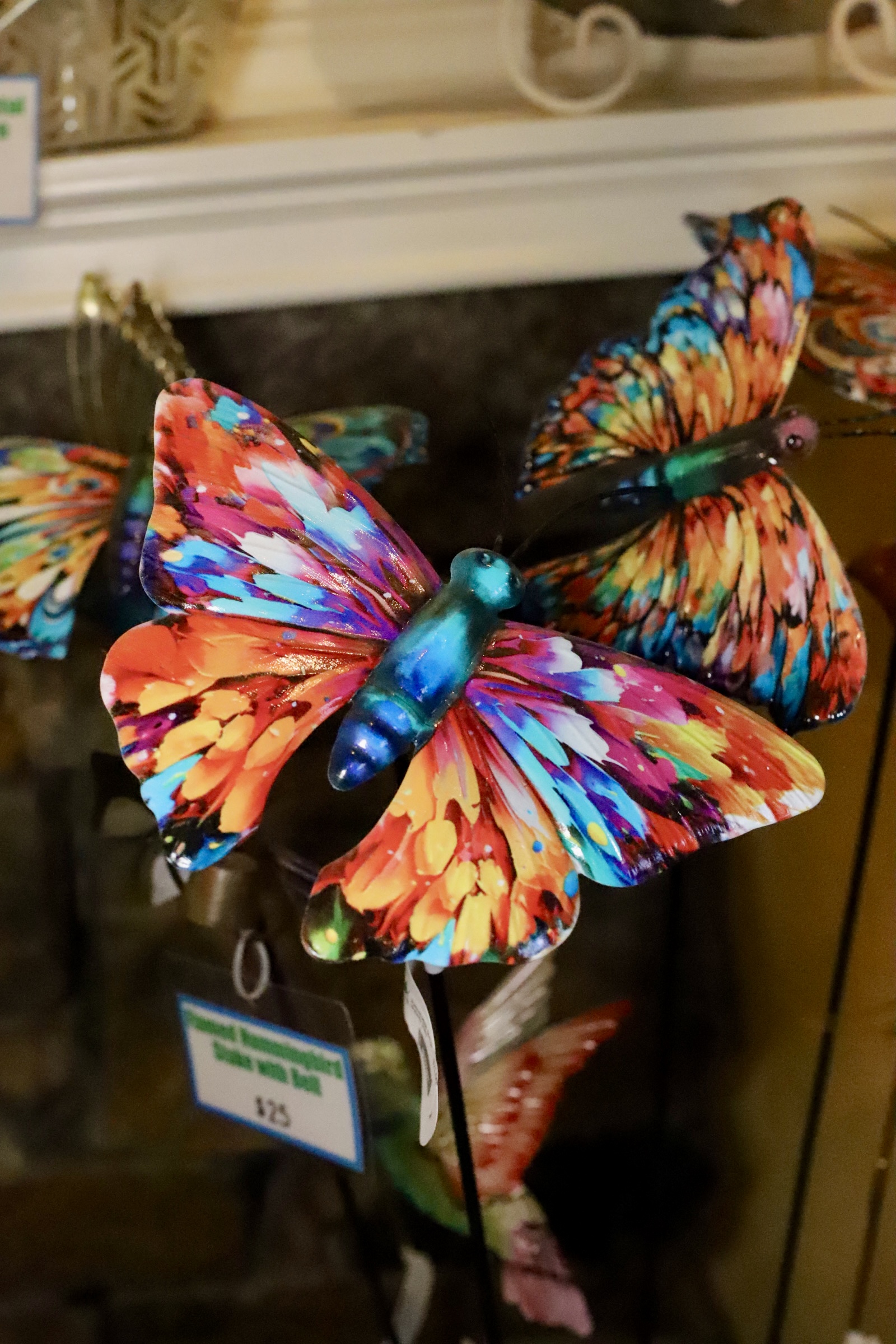
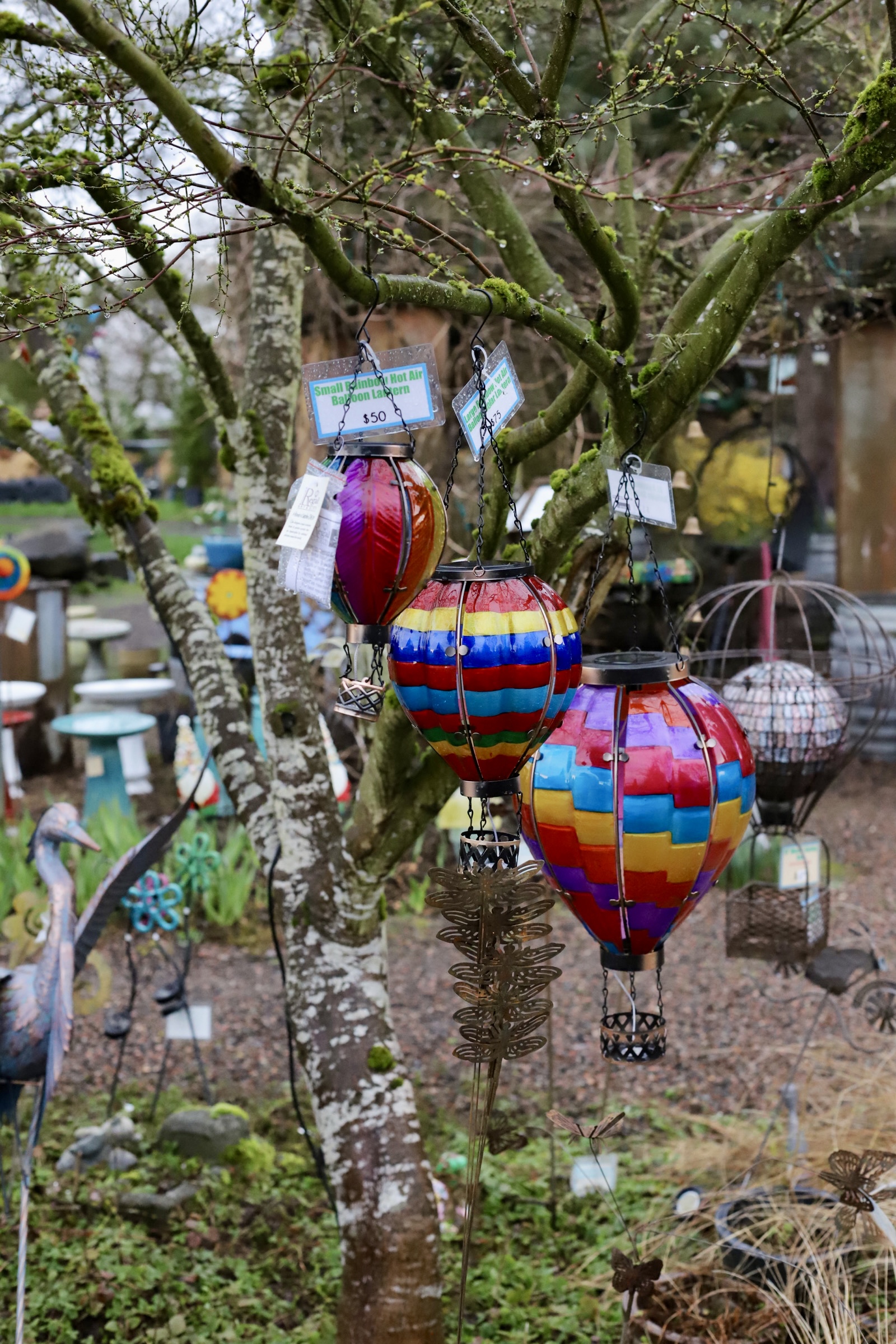
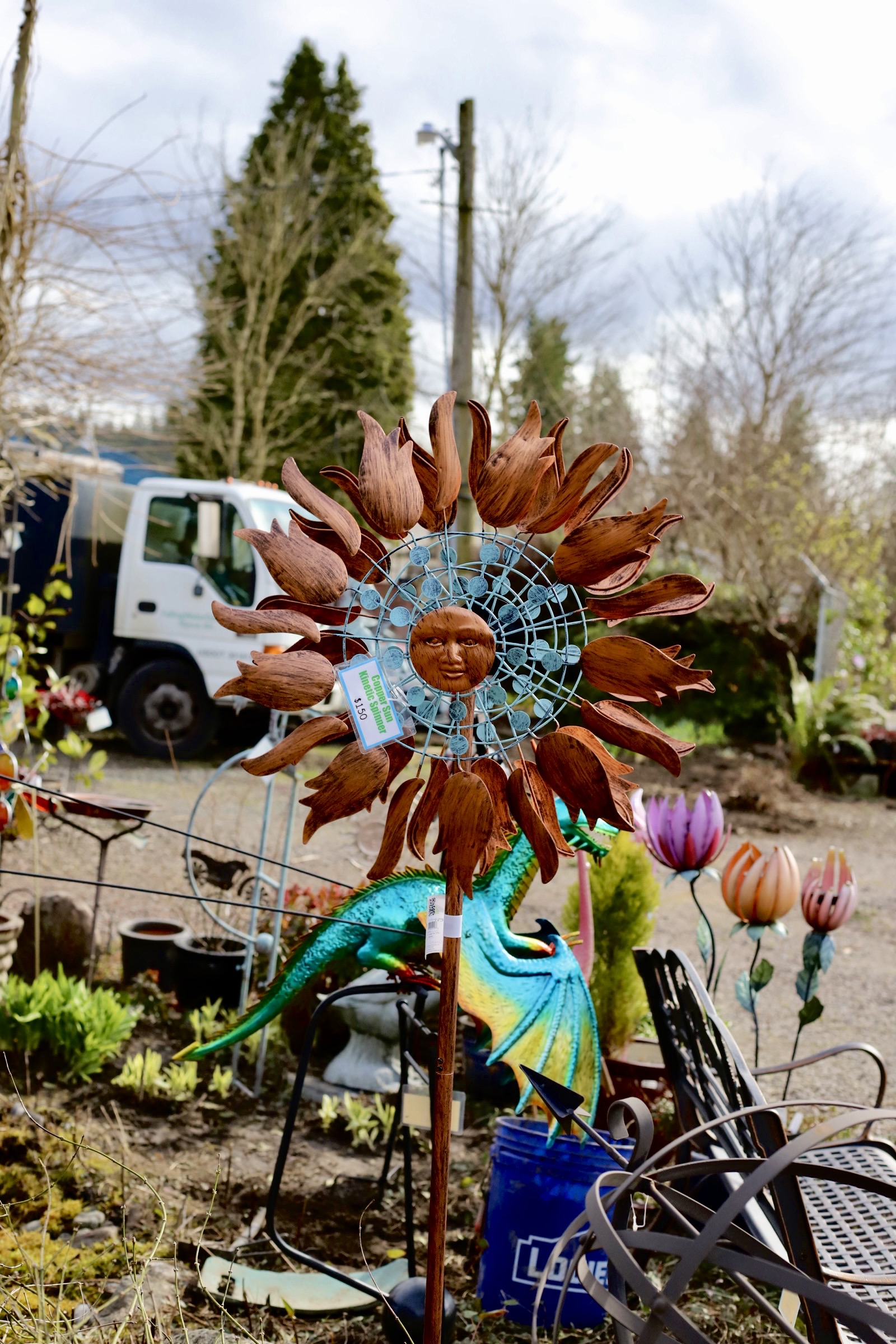
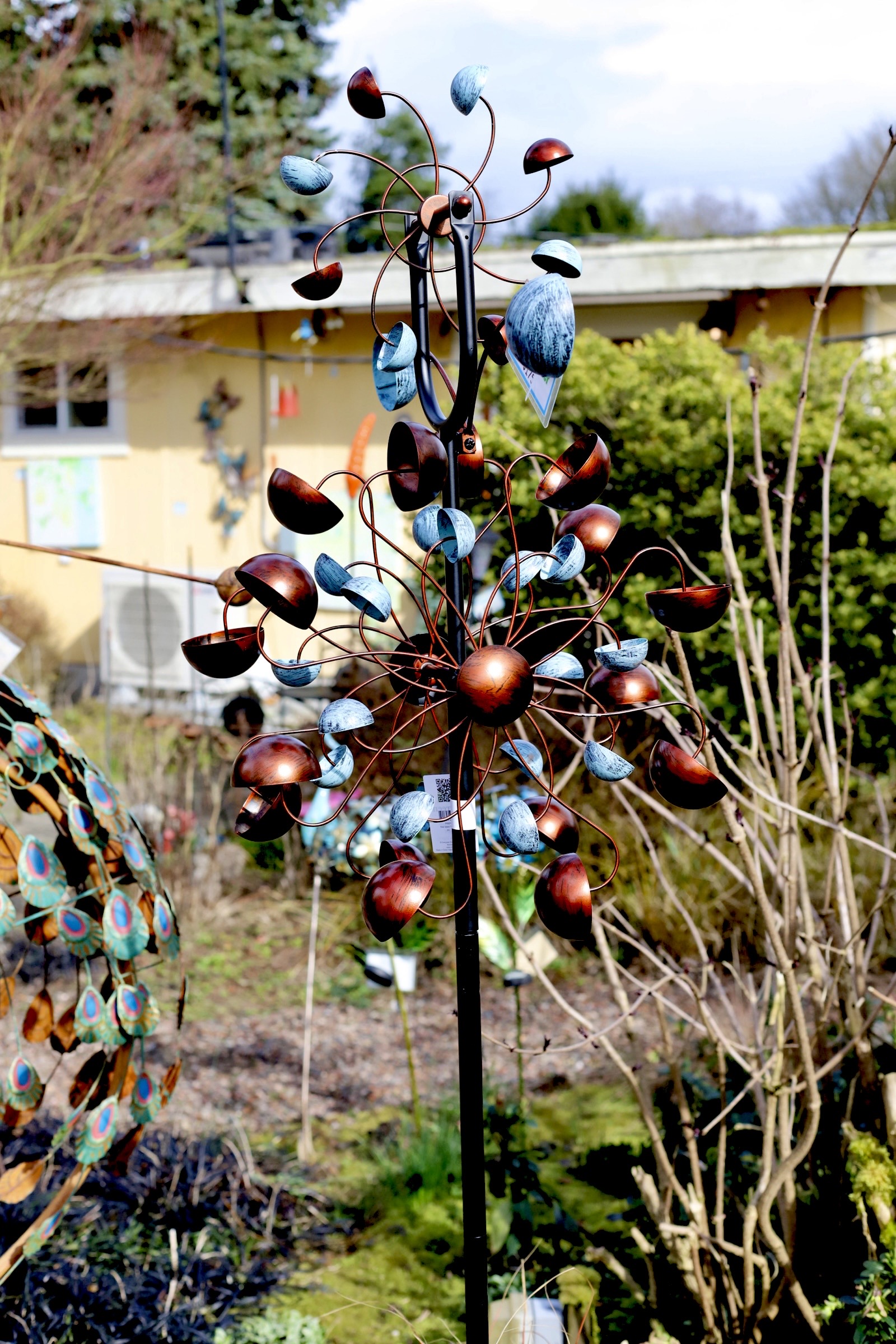
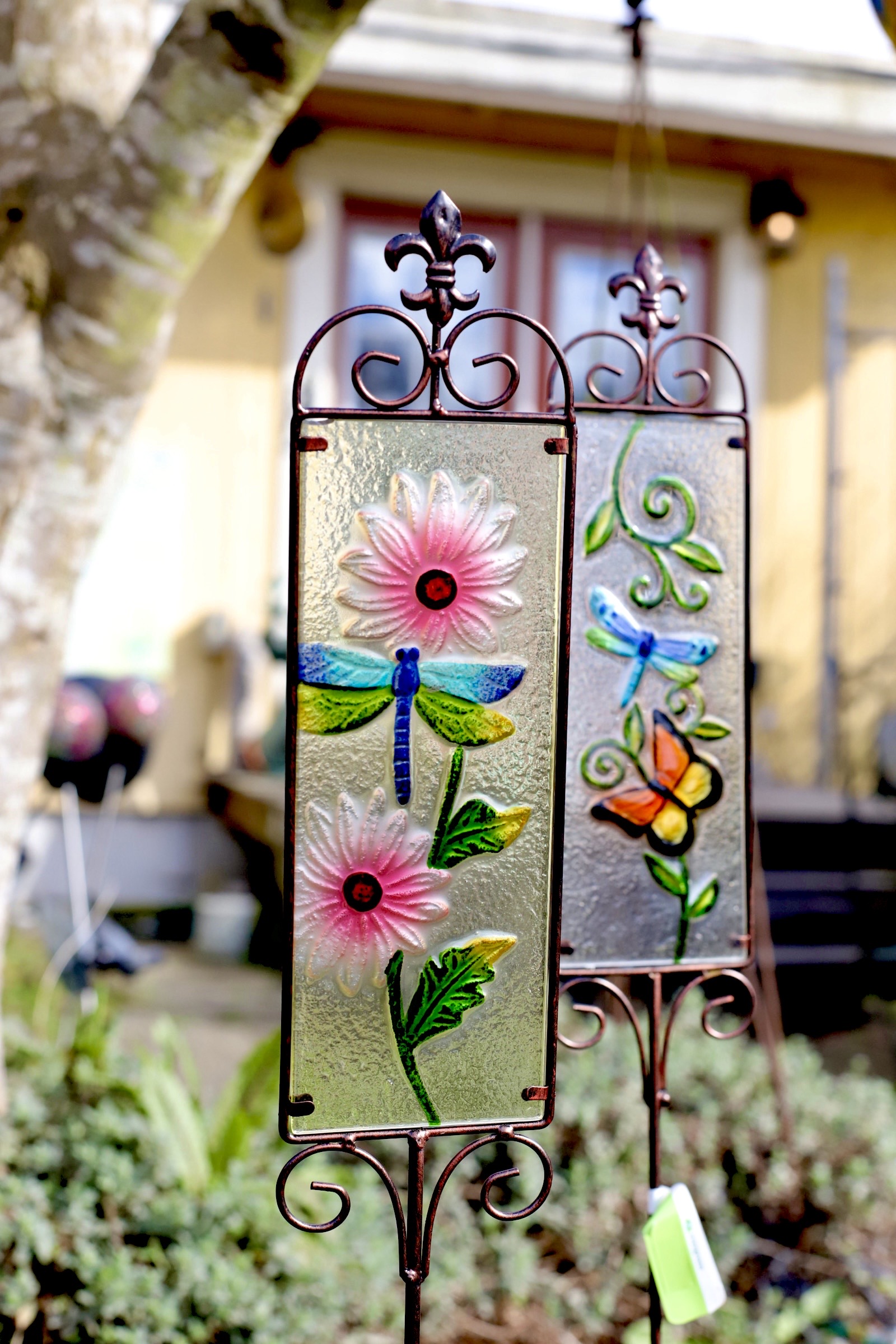
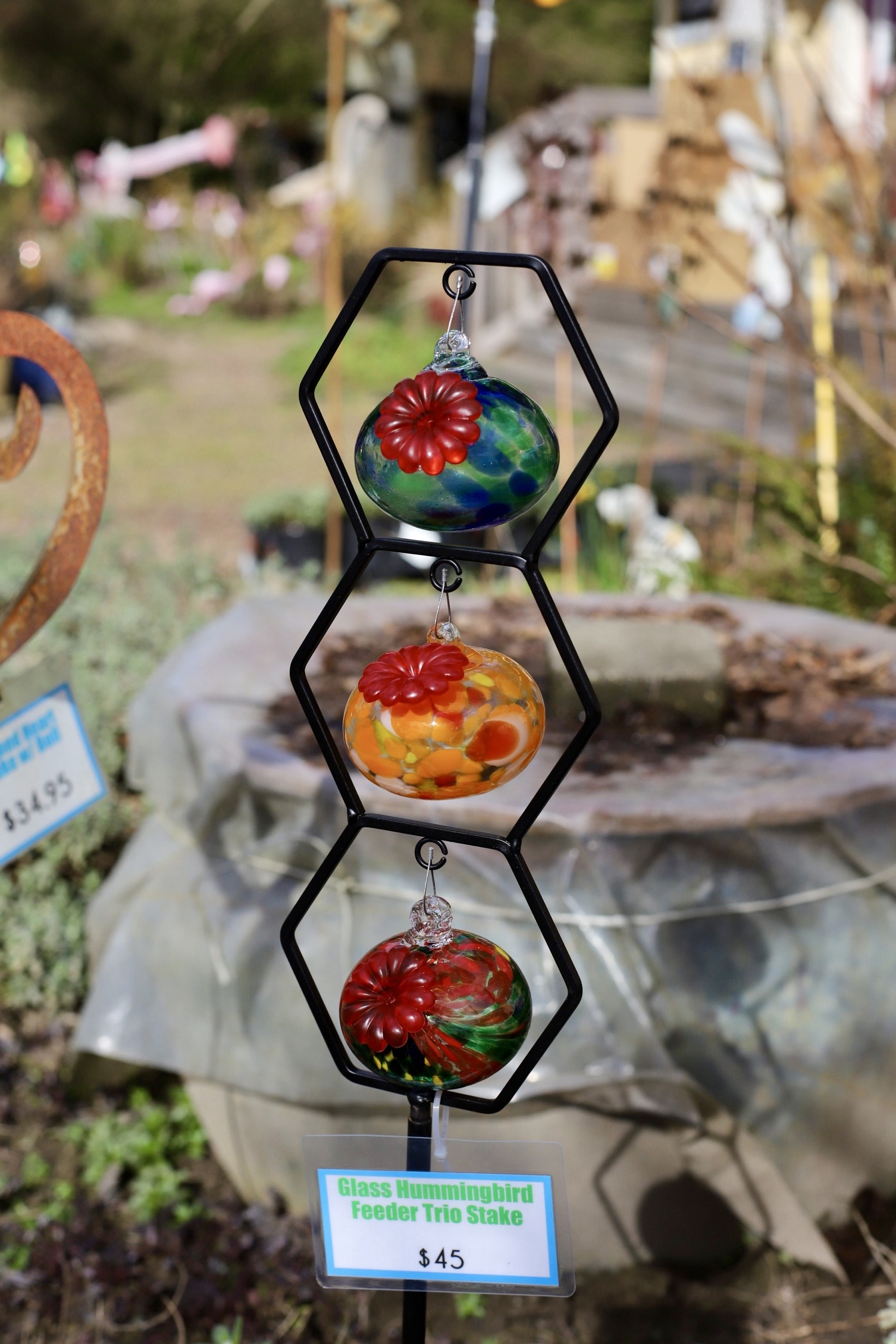
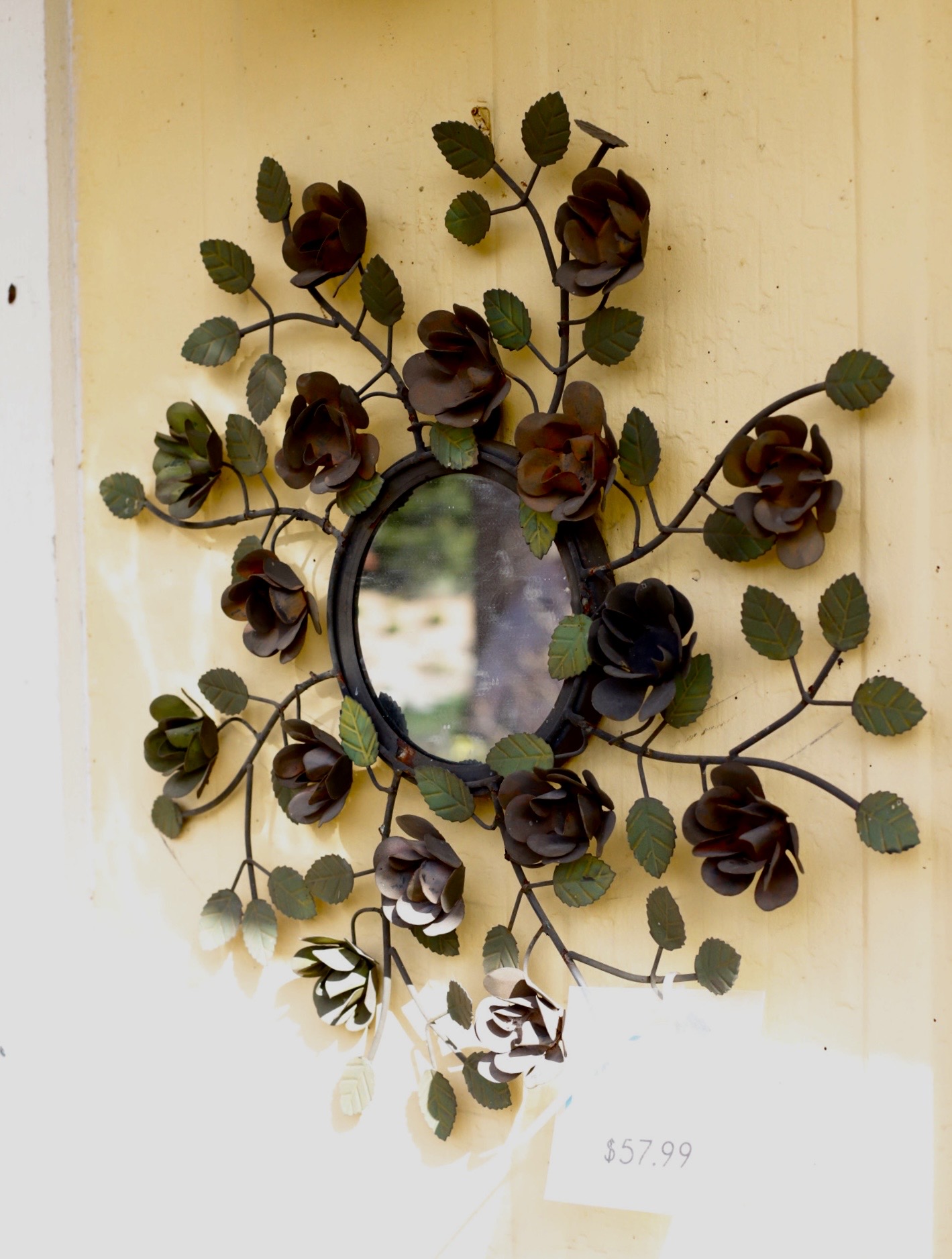
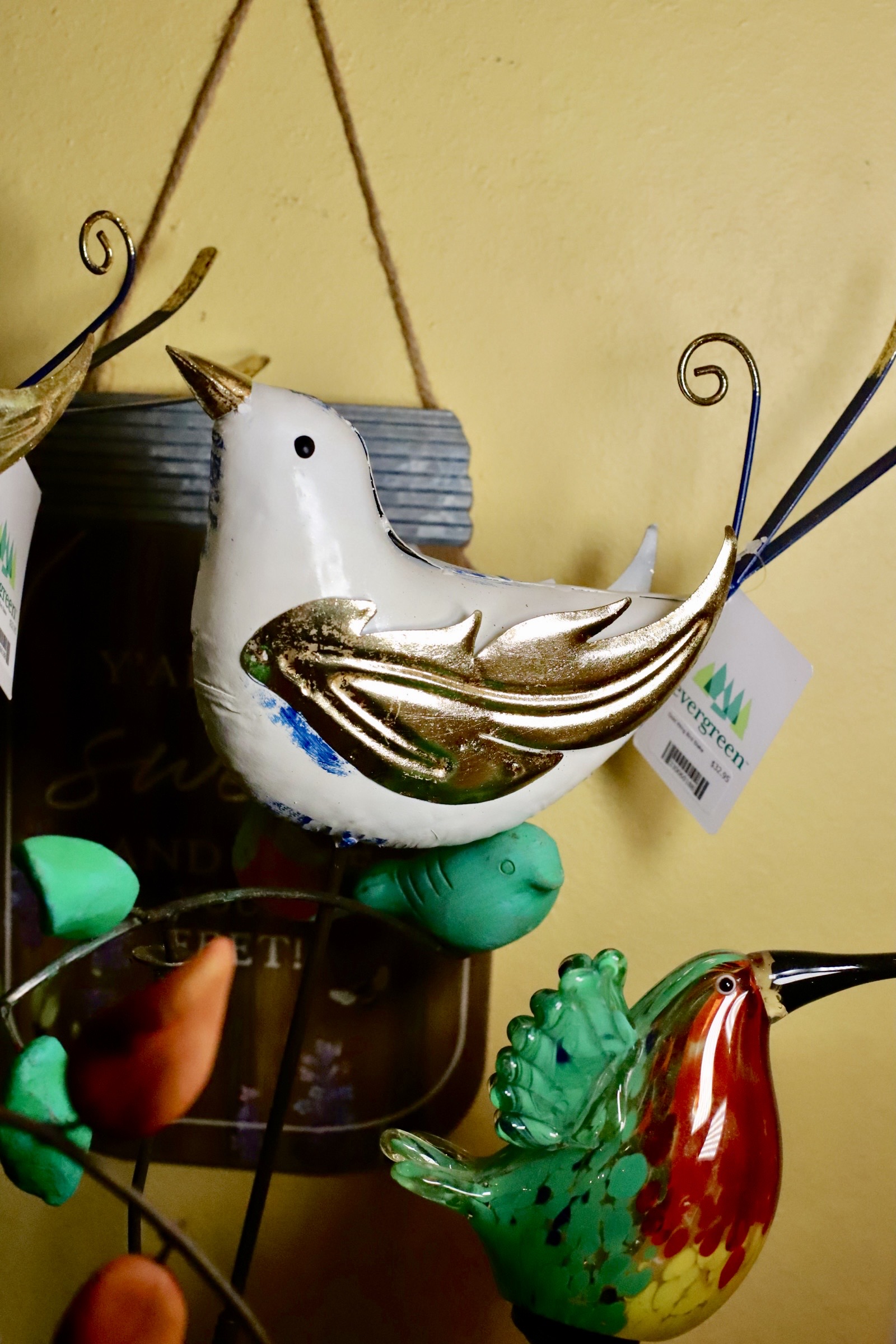
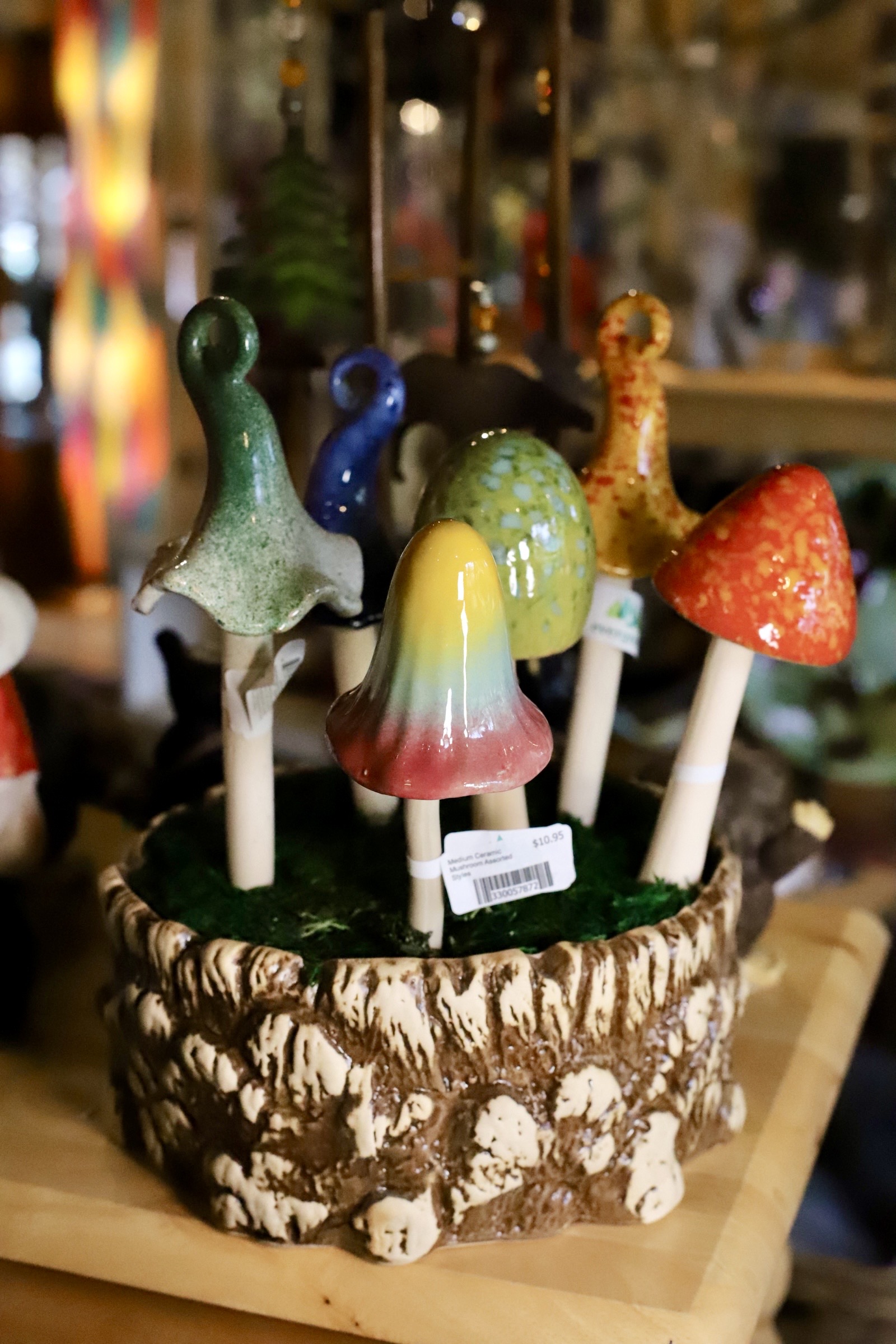
Here are a few things we are currently smitten over, as we start to transition to more time outside!
Trellises are a bit hit this time of year, and we have a great collection near our raised lilly pond. These range in style from more modern to a rustic look that’ll fit right in regardless of the design style of your garden space.
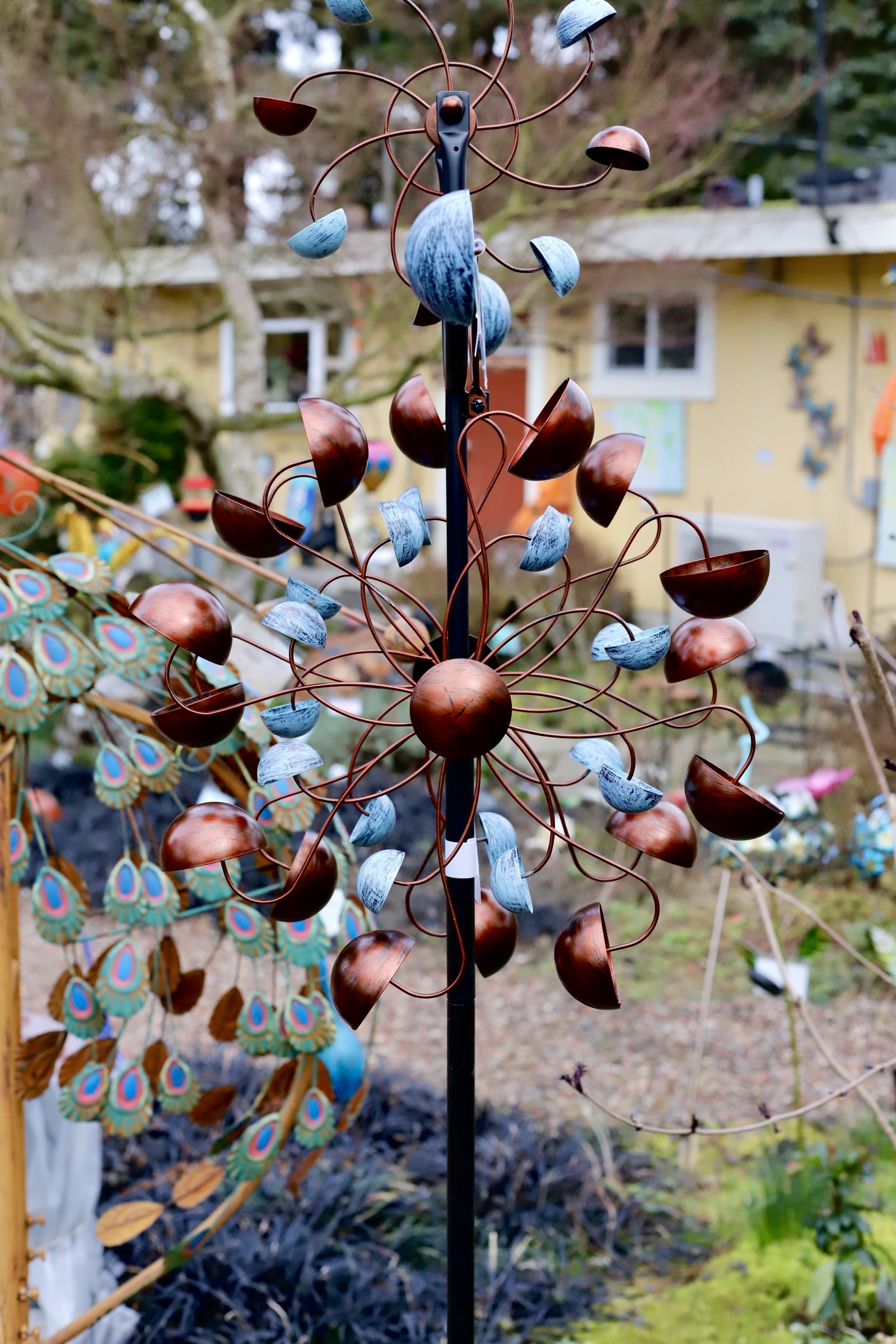
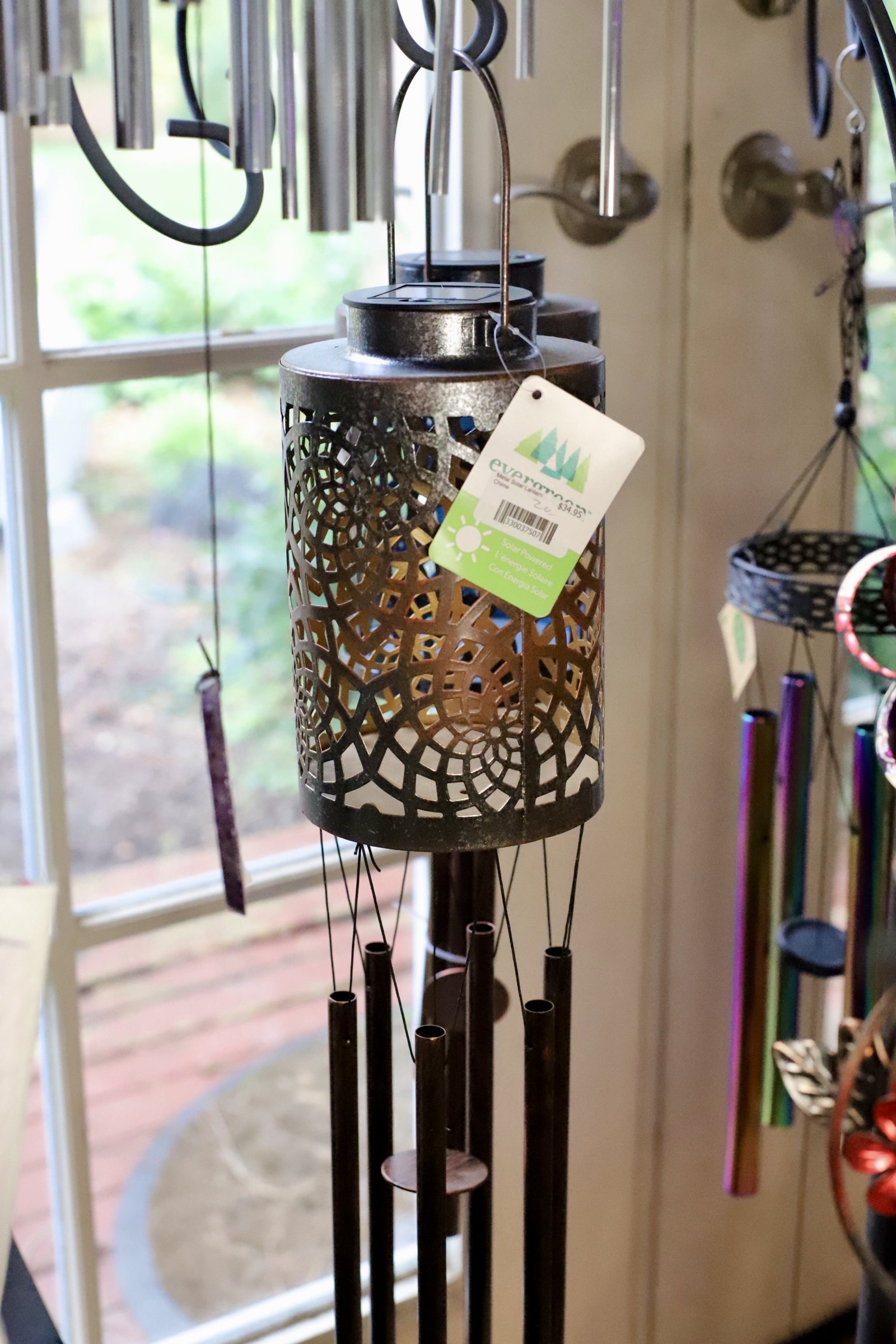
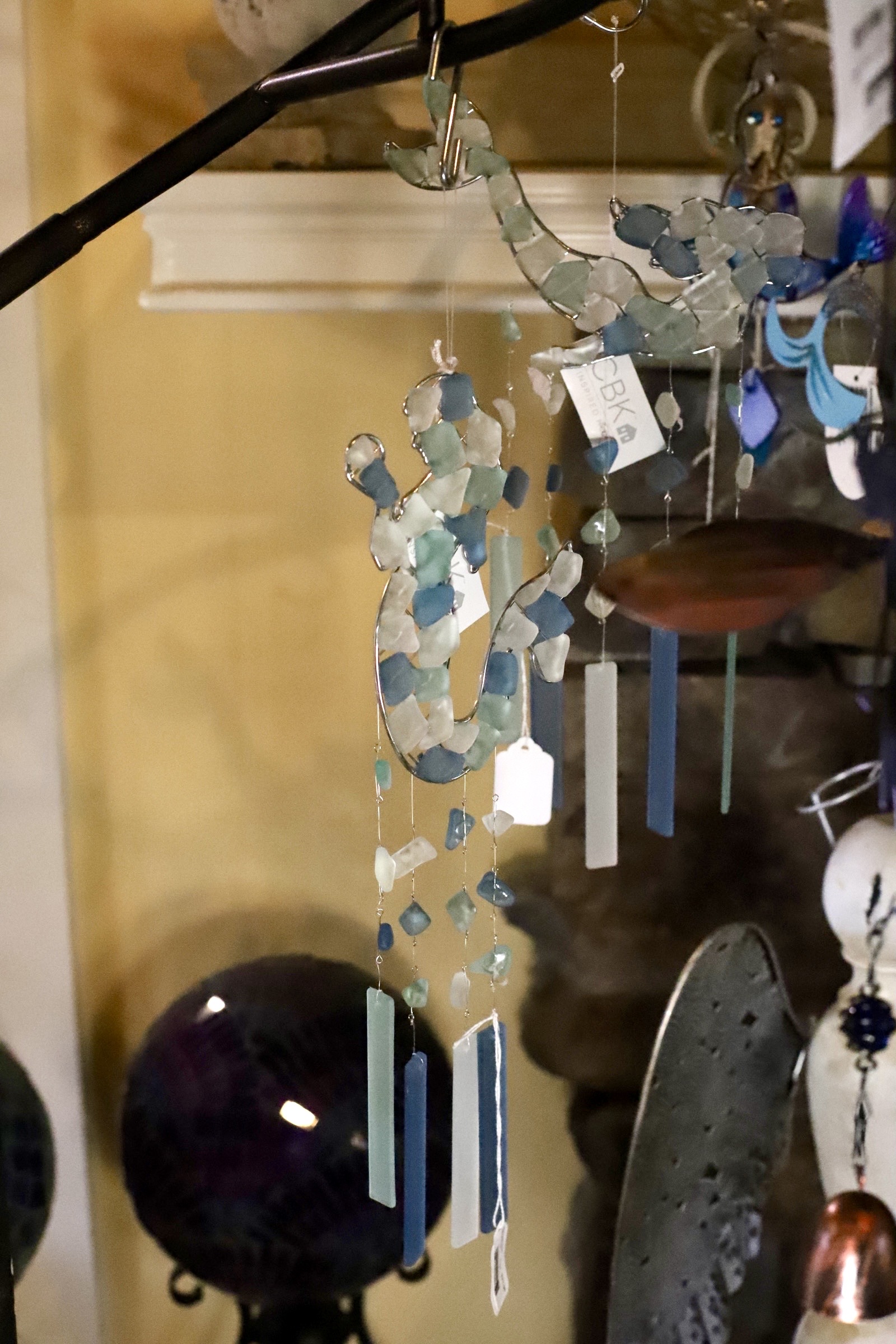
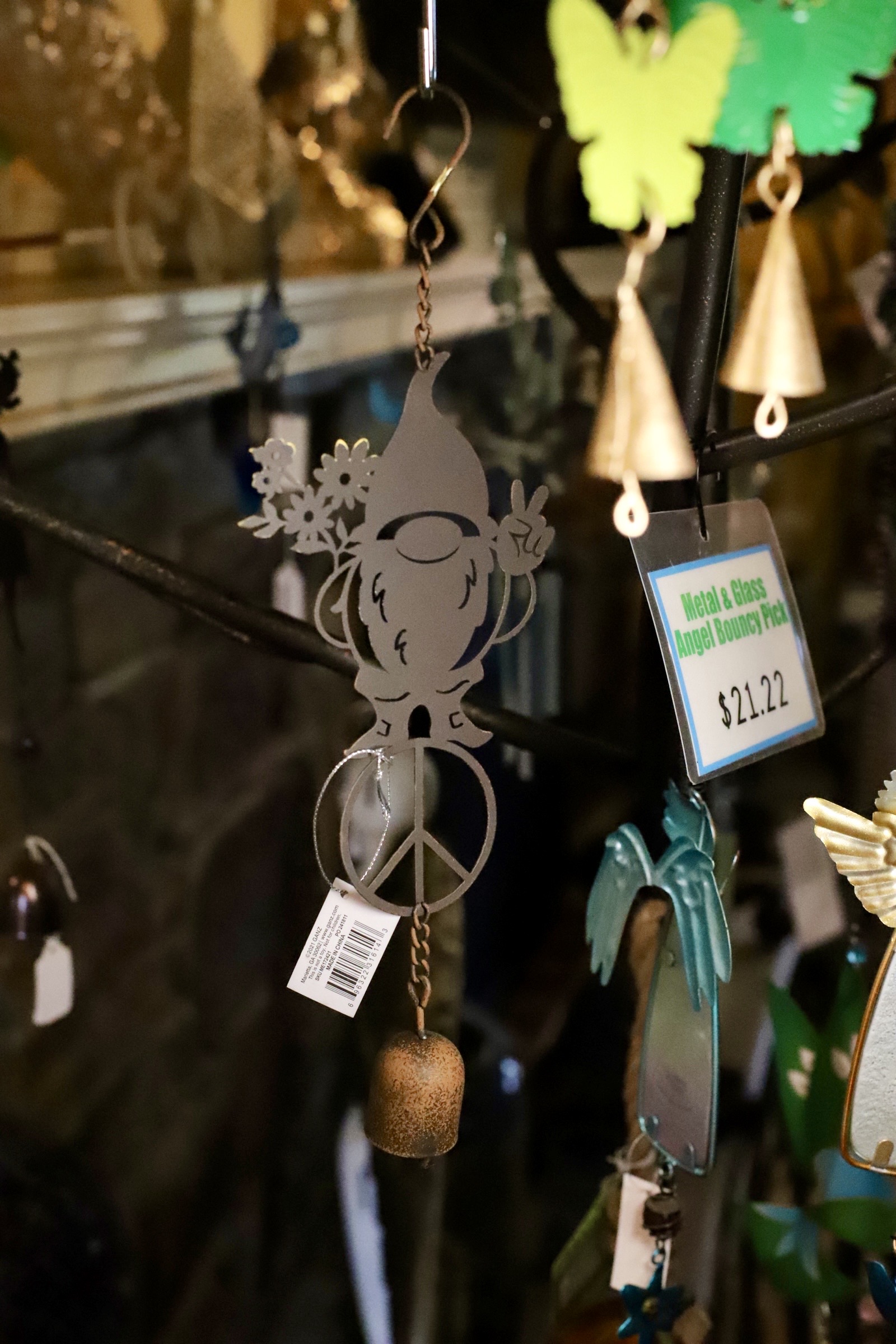
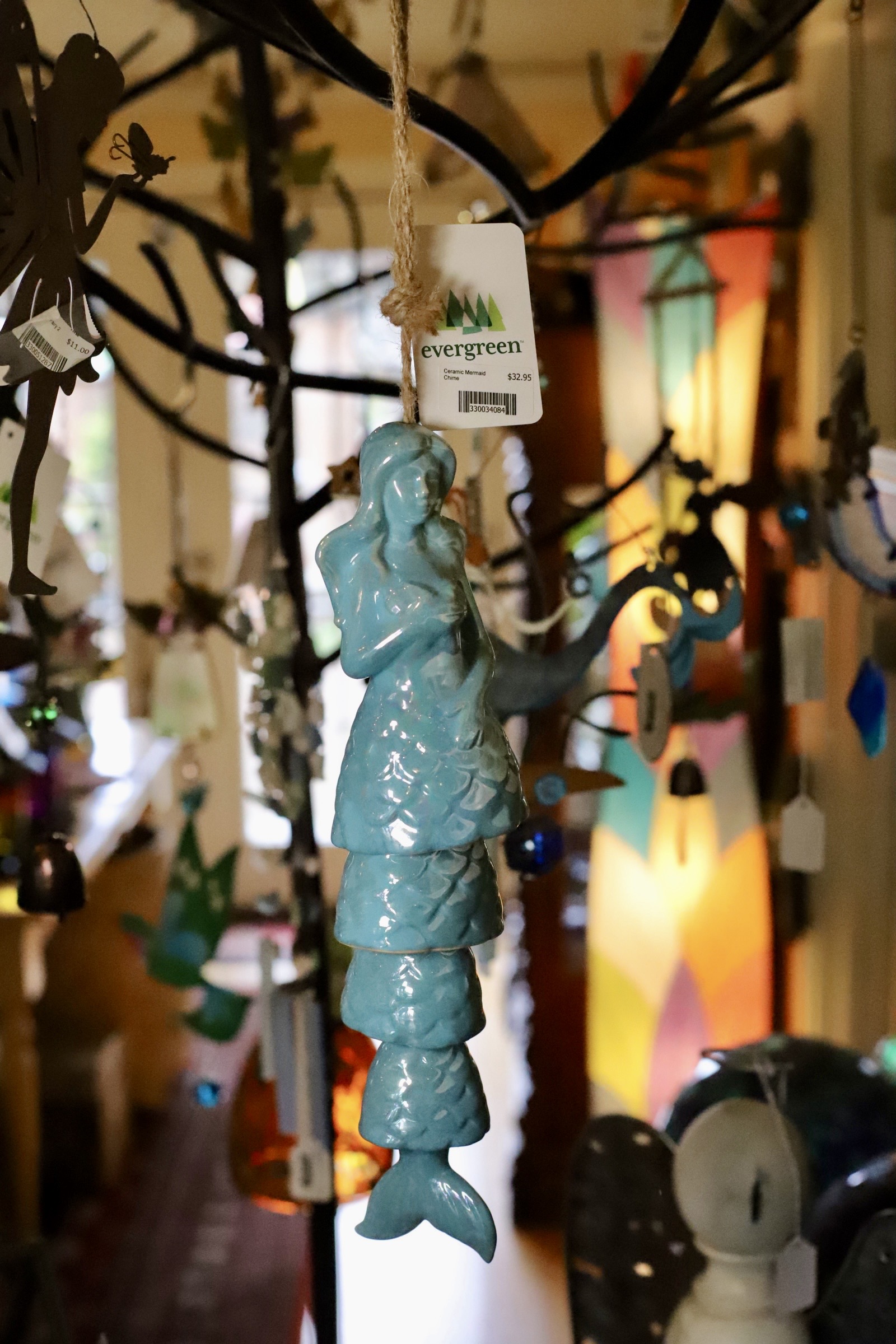
We also have a new collections of wind chimes and garden decor that are being delivered each week!